Sunday, 16 April 2023

What is a Face Lift? Understanding the Procedure, Benefits, and Risks

Aging is a natural process that affects everyone, and while it's not something that can be stopped, there are ways to slow down its effects. One of the most popular ways to rejuvenate the face and reverse some of the signs of aging is through a facelift, also known as a rhytidectomy. In this article, we'll delve into what a facelift is, how it works, the benefits it offers, and the risks involved.
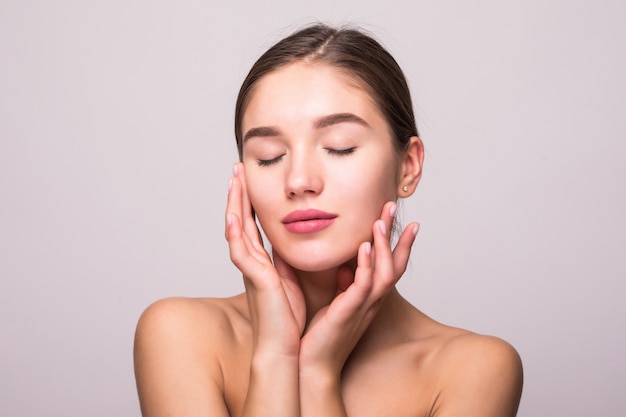
Table of Contents

Introduction

What is a Facelift?

The Purpose of a Facelift

Different Types of Facelifts

Ideal Candidates for a Facelift

The Facelift Procedure

Anesthesia

Incisions

Tightening and Lifting

Closing Incisions

Recovery and Aftercare

Benefits of a Facelift

Potential Risks and Side Effects

General Risks

Specific Risks

Alternatives to a Facelift

Frequently Asked Questions

Conclusion

FAQs

What is a Facelift?

A facelift is a cosmetic procedure that tightens and lifts the skin on the face and neck to give a more youthful appearance. It is designed to reduce the signs of aging, such as sagging skin, wrinkles, and fine lines. The procedure involves removing excess skin, tightening the underlying muscles and tissues, and re-draping the skin over the face and neck. The end result is a smoother, tighter, and more youthful-looking face.for more information about face lift click here to visit this webpage.


The Purpose of a Facelift

The primary purpose of a facelift is to make a person look younger and more refreshed. It can help to address a number of issues that are associated with aging, such as:


Sagging skin on the face and neck

Deep wrinkles around the mouth and nose

Jowls or a double chin

Loss of volume in the cheeks

Loss of elasticity in the skin

Different Types of Facelifts

There are different types of facelifts, and the right one for you will depend on your individual needs and goals. Some of the most common types of facelifts include:


Traditional facelift: This is the most common type of facelift, which involves making incisions around the hairline, ears, and sometimes under the chin. The surgeon will then lift and tighten the underlying tissues and muscles before re-draping the skin over the face.

Mini facelift: This is a less invasive version of a traditional facelift, which involves smaller incisions and less lifting of the underlying tissues.

Neck lift: This procedure focuses on tightening and lifting the skin on the neck, rather than the face.

Mid facelift: This is a more targeted procedure that focuses on the middle portion of the face, including the cheeks and upper lip.

Ideal Candidates for a Facelift

The ideal candidate for a facelift is someone who is in good overall health, has realistic expectations for the outcome of the procedure, and is bothered by the signs of aging on their face and neck. While there is no specific age limit for getting a facelift, most people who undergo the procedure are between the ages of 40 and 60.


The Facelift Procedure

A facelift is typically performed on an outpatient basis and can take several hours to complete. The specific steps involved in the procedure will vary depending on the type of fac

The Facelift Procedure

A facelift is typically performed on an outpatient basis and can take several hours to complete. The specific steps involved in the procedure will vary depending on the type of facelift, but the general steps are as follows:


Anesthesia

The first step in the procedure is to administer anesthesia. This can be done using local anesthesia with sedation or general anesthesia, depending on the patient's preference and the surgeon's recommendation.


Incisions

Once the patient is sedated or asleep, the surgeon will make incisions in the skin. The exact location of the incisions will depend on the type of facelift being performed, but they are typically made in the hairline, around the ears, and sometimes under the chin.


Tightening and Lifting

After the incisions have been made, the surgeon will lift and tighten the underlying tissues and muscles in the face and neck. This is done to reduce sagging and improve the overall contour of the face.


Closing Incisions

Once the underlying tissues have been tightened and lifted, the surgeon will re-drape the skin over the face and neck and close the incisions with sutures or staples.


Recovery and Aftercare

After the procedure is complete, the patient will be taken to a recovery room to be monitored for any complications. Most patients can go home on the same day as the procedure, but some may need to stay overnight.


Recovery time varies depending on the extent of the procedure, but most patients can expect some swelling, bruising, and discomfort for several days to a week after the surgery. It's important to follow all post-operative instructions provided by the surgeon, including avoiding strenuous activity and keeping the head elevated while sleeping.


Benefits of a Facelift

A facelift can provide a number of benefits, including:


A more youthful appearance

Improved self-confidence

Smoother, tighter skin

Improved facial contour

Long-lasting results

Potential Risks and Side Effects

As with any surgical procedure, there are potential risks and side effects associated with a facelift. These may include:


General Risks

Anesthesia complications

Infection

Bleeding

Scarring

Specific Risks

Nerve damage

Hair loss around the incision sites

Skin necrosis (death of skin tissue)

Alternatives to a Facelift

There are a number of non-surgical alternatives to a facelift that may be more appropriate for some patients. These may include:


Botox injections

Dermal fillers

Chemical peels

Laser skin resurfacing

Frequently Asked Questions

How long does a facelift last?

Will I have visible scars after the procedure?

When can I return to work after a facelift?

Can a facelift be combined with other procedures?

Is a facelift covered by insurance?

Conclusion

A facelift can be a highly effective way to rejuvenate the face and reverse some of the signs of aging. It's important to carefully consider the potential risks and benefits before deciding if it's the right procedure for you. Be sure to consult with a qualified cosmetic surgeon to discuss your options and develop a treatment plan that is tailored to your specific needs.

What Causes Blood Boats and How to Prevent It

Blood clots are a common medical condition that can be dangerous if left untreated. Also known as thrombosis, blood clots form when blood vessels in the body become blocked by a solid mass. When a blood clot forms in a deep vein, it is known as deep vein thrombosis (DVT). If the clot breaks off and travels to the lungs, it is known as a pulmonary embolism (PE), which can be life-threatening.

What Causes Blood Clots to Form?

Several factors can contribute to the formation of blood clots, including:


1. Sedentary Lifestyle

Sitting or lying down for extended periods can cause blood to pool in the legs, leading to DVT. This is why it is essential to keep moving, especially during long flights or car rides.


2. Hormonal Imbalance

Hormones can affect the blood's ability to clot. Women who take birth control pills, hormone replacement therapy, or are pregnant have a higher risk of developing blood clots.


3. Medical Conditions

Certain medical conditions, such as cancer, heart disease, and inflammatory bowel disease, can increase the risk of blood clot formation.


4. Genetics

A family history of blood clots can increase the risk of developing them.


5. Injury

Injuries that damage blood vessels can lead to blood clots.


Recognizing the Symptoms of Blood Clots

It's essential to recognize the symptoms of blood clots to seek medical attention promptly. The symptoms of DVT include:

Pain, swelling, and tenderness in the affected leg

Warmth and redness in the affected area

Fatigue

Shortness of breath

PE symptoms include:

Chest pain

Difficulty breathing

Rapid heartbeat

Sweating

Coughing up blood

If you experience any of these symptoms, seek medical attention immediately.


Preventing Blood Clots

There are several steps you can take to prevent blood clots from forming, including:


1. Exercise Regularly

Regular exercise can improve blood flow and help prevent blood clots from forming.


2. Stay Hydrated

Drinking plenty of water can prevent blood from thickening, reducing the risk of blood clots.


3. Wear Compression Stockings

Compression stockings can help improve circulation and prevent blood from pooling in the legs.


4. Take Breaks During Long Trips

If you're traveling long distances, take frequent breaks to stretch your legs and get up and move around.


5. Manage Medical Conditions

Managing medical conditions such as diabetes, high blood pressure, and high cholesterol can reduce the risk of blood clots.


6. Quit Smoking

Smoking can increase the risk of blood clots, so quitting smoking is an essential step in preventing blood clots from forming.


Conclusion

Blood clots are a serious medical condition that can be life-threatening if left untreated. By understanding the causes, recognizing the symptoms, and taking preventive measures, you can reduce the risk of blood clots and protect your health.If you are unsure about blood boats, you can check out this webpage,


FAQs

1. Can blood clots be prevented?

Yes, blood clots can be prevented by exercising regularly, staying hydrated, wearing compression stockings, taking breaks during long trips, managing medical conditions, and quitting smoking.


2. What are the symptoms of blood clots?

The symptoms of DVT include pain, swelling, and tenderness in the affected leg, warmth and redness in the affected area, fatigue, and shortness of breath. The symptoms of PE include chest pain, difficulty breathing, rapid heartbeat, sweating, and coughing up blood.


3. What medical conditions increase the risk of blood clots?

Certain medical conditions, such as cancer, heart disease, and inflammatory bowel disease, can increase the risk of blood clot formation.


4. Can hormonal imbalances lead to blood clots?

Yes, hormones can affect the blood's ability to clot. Women who take birth control pills, hormone replacement therapy, or are pregnant have a higher risk of developing blood clots.


5. What should I do if I suspect I have a blood clot?

If you experience any of the symptoms of DVT or PE, seek medical attention immediately. Your doctor can perform tests to confirm the diagnosis and provide appropriate treatment.


Monday, 10 April 2023

All About Hives: Symptoms, Causes and Treatment

Hives, also known as urticaria, are itchy, red, and raised welts on the skin. They can appear anywhere on the body and can be triggered by a variety of causes. In this article, we will discuss the symptoms, causes, and treatment options for hives.

Table of Contents

Introduction

Symptoms of Hives

Causes of Hives

Allergies

Non-Allergic Triggers

Risk Factors for Hives

Diagnosis of Hives

Treatment of Hives

Medications

Lifestyle Changes

Alternative Therapies

Prevention of Hives

When to See a Doctor

Complications of Hives

Conclusion

FAQs

Symptoms of Hives

Hives typically appear as red, itchy, and raised welts on the skin. They can vary in size and shape and may merge together to form larger areas known as plaques. Hives can also appear and disappear quickly, usually within 24 hours. New hives can appear as old ones fade away, making the condition a chronic one in some people.


Other symptoms that may accompany hives include:

Swelling of the face, lips, or tongue

Difficulty breathing

Tightness in the chest

Dizziness

Nausea

Causes of Hives

Hives can be triggered by a variety of causes, including:


Allergies

Allergic reactions to food, medication, or insect bites are a common cause of hives. Some people may also experience hives due to contact with an allergen, such as latex or certain plants.


Non-Allergic Triggers

Hives can also be caused by non-allergic triggers, such as:


Stress

Exposure to cold or heat

Pressure on the skin

Exercise

Sun exposure

Alcohol consumption

Risk Factors for Hives

Anyone can develop hives, but certain factors can increase the risk, such as:


A history of allergies or asthma

A family history of hives or other allergic conditions

Being female

Age (hives are more common in children and young adults)

Diagnosis of Hives

Diagnosing hives usually involves a physical examination and a review of the patient's medical history. In some cases, the doctor may perform allergy testing to identify the trigger.


Treatment of Hives

Treatment for hives usually involves a combination of medications, lifestyle changes, and alternative therapies.


Medications

Antihistamines are often used to treat hives. They work by blocking the release of histamine, a chemical that causes itching and swelling. In severe cases, corticosteroids may be prescribed to reduce inflammation.


Lifestyle Changes

Avoiding known triggers is an essential part of managing hives. Keeping a diary to track possible triggers can help identify what to avoid. Wearing loose-fitting clothing, avoiding hot baths or showers, and using fragrance-free products can also help reduce symptoms.


Alternative Therapies

Some people find relief from hives through alternative therapies, such as acupuncture or herbal remedies. However, the evidence for the effectiveness of these treatments is limited.


Prevention of Hives

Preventing hives involves avoiding known triggers and taking steps to reduce stress. If you have a history of hives, it is essential to have an emergency action plan in place in case of a severe reaction.


When to See a Doctor

If you experience hives along with difficulty breathing, swelling of the face or throat, or severe itching, seek medical attention immediately. These symptoms could be signs of a severe allergic reaction known as anaphylaxis, which can be life-threatening.


Complications of Hives

Although hives themselves are not usually dangerous, they can be a sign of an underlying condition that requires medical attention. In rare cases, hives can lead to a more severe allergic reaction, such as anaphylaxis.


Conclusion

Hives can be uncomfortable and sometimes frustrating to deal with, but with proper diagnosis and management, they can be effectively controlled. By avoiding triggers, taking medications as prescribed, and making lifestyle changes, people with hives can live a healthy, happy life. Click here for more information.


FAQs

Can stress cause hives?

Yes, stress is a common non-allergic trigger for hives.


How long do hives typically last?

Hives can last anywhere from a few hours to several weeks.


Can hives be a sign of a more severe condition?

Yes, hives can be a sign of an underlying condition, such as an autoimmune disorder or infection.


Can hives be prevented?

Hives can be prevented by avoiding known triggers and taking steps to reduce stress.


Are there any natural remedies for hives?

While there is limited evidence to support the effectiveness of alternative therapies for hives, some people find relief through acupuncture or herbal remedies. It is essential to talk to a doctor before trying any alternative therapy.


Wednesday, 5 April 2023

Understanding Dry Skin: Causes and Treatments


Dry skin is a common skin condition that can affect people of all ages. It occurs when the skin loses its natural moisture and becomes dry, rough, and itchy. In this article, we will discuss the causes of dry skin and the best treatments available.

Table of Contents

What is dry skin?

Causes of dry skin

Weather conditions

Hot showers and baths

Harsh soaps and detergents

Medical conditions

Age

Symptoms of dry skin

How to diagnose dry skin

Treatments for dry skin

Moisturizers

Humidifiers

Avoiding hot showers and baths

Using gentle cleansers

Prescription medication

When to see a doctor

Myths about dry skin

Conclusion

FAQs

1. What is dry skin?

Dry skin, also known as xerosis, is a skin condition that occurs when the skin loses its natural moisture. Our skin has a natural barrier that helps to retain moisture and protect it from external factors. When this barrier is compromised, the skin becomes dry, rough, and itchy.


2. Causes of dry skin

There are several factors that can cause dry skin. These include:


- Weather conditions

Dry skin is more common during the winter months when the air is dry and cold. Low humidity can also cause the skin to lose moisture.


- Hot showers and baths

Taking long hot showers or baths can strip the skin of its natural oils, leaving it dry and itchy.


- Harsh soaps and detergents

Some soaps and detergents can be harsh on the skin, causing it to become dry and irritated.


- Medical conditions

Certain medical conditions such as eczema, psoriasis, and thyroid disorders can cause dry skin.


- Age

As we age, our skin becomes thinner and loses its ability to retain moisture, making it more prone to dryness.


3. Symptoms of dry skin

The most common symptoms of dry skin include:


Itching

Redness

Flaking or scaling

Rough or tight skin

Fine lines or cracks in the skin

Gray, ashy-looking skin

4. How to diagnose dry skin

A dermatologist can diagnose dry skin by examining your skin and asking about your medical history. They may also perform a skin patch test to determine if you have any allergies that may be causing your dry skin.


5. Treatments for dry skin

There are several treatments available for dry skin. These include:


- Moisturizers

Using a good quality moisturizer can help to keep the skin hydrated and prevent it from becoming dry. Look for moisturizers that contain ingredients such as hyaluronic acid, glycerin, and ceramides.


- Humidifiers

Using a humidifier can help to add moisture to the air and prevent the skin from becoming dry.


- Avoiding hot showers and baths

Try to avoid taking long hot showers or baths as this can strip the skin of its natural oils.


- Using gentle cleansers

Use gentle cleansers that are free from fragrances and other harsh ingredients that can dry out the skin.


- Prescription medications

If your dry skin is severe, your dermatologist may prescribe medication such as corticosteroid creams or oral antihistamines to help relieve itching and inflammation.

Drinking enough water

Drinking enough water can help to keep your skin hydrated from the inside out.


- Wearing protective clothing

Wearing protective clothing such as gloves and scarves can help to protect your skin from harsh weather conditions.


- Using sunscreen

Using sunscreen can help to protect your skin from sun damage, which can contribute to dryness.


6.When to see a doctor

If your dry skin is severe and does not improve with over-the-counter treatments, you should see a dermatologist. They may recommend prescription medication or other treatments to help alleviate your symptoms.


7.Myths about dry skin

There are several myths surrounding dry skin. Some of the most common myths include:


Dry skin is contagious

You should only moisturize once a day

Dry skin only occurs on your face and hands

None of these myths are true. Dry skin is not contagious, and you should moisturize as often as necessary to keep your skin hydrated. Dry skin can occur anywhere on your body, not just on your face and hands.


8. Conclusion

Dry skin is a common condition that can be caused by several factors, including weather conditions, hot showers and baths, harsh soaps and detergents, medical conditions, and age. There are several treatments available for dry skin, including moisturizers, humidifiers, avoiding hot showers and baths, using gentle cleansers, and prescription medications. To prevent dry skin, it is important to stay hydrated, wear protective clothing, use sunscreen, and avoid harsh soaps and detergents.for more click here


9. FAQs

Can dry skin lead to other skin conditions?

Dry skin can make you more prone to developing other skin conditions, such as eczema or psoriasis.


Are there any home remedies for dry skin?

Some home remedies for dry skin include using coconut oil, oatmeal baths, and avoiding hot showers and baths.


How often should I moisturize my skin?

You should moisturize your skin as often as necessary to keep it hydrated. This may be once a day or several times a day.


Can dry skin be a sign of a medical condition?

Dry skin can be a symptom of certain medical conditions, such as eczema or psoriasis.


Can drinking more water help with dry skin?

Drinking enough water can help to keep your skin hydrated from the inside out, which may help to prevent dry skin.


Unlocking the Secrets of Healthy Skin: A Dermatologist's Guide

Beautiful, healthy skin is not just a matter of genetics; it's a reflection of the care and attention we give to our skin. In this guide...