Friday, 7 July 2023

Dermatologist in Ohio: Your Trusted Skin Care Specialist

If you’re looking for a dermatologist in Ohio, you’re in the right place. Finding a trusted and experienced skin care specialist is crucial for maintaining healthy and radiant skin. Ohio is home to several highly skilled dermatologists who can address various skin concerns, from acne and eczema to skin cancer detection and treatment. In this comprehensive guide, we’ll explore the expertise, authorities, and trust associated with dermatologists in Ohio. Whether you’re seeking preventive care or advanced treatments, you can rely on these professionals to provide exceptional services tailored to your unique needs.

Dermatologist in Ohio: Who Are They?

Dermatologists in Ohio are medical professionals specializing in the diagnosis, treatment, and prevention of skin, hair, and nail conditions. With extensive training and experience, they possess in-depth knowledge of dermatology and its associated medical procedures. These experts understand the complexities of the skin and are equipped to provide personalized care to patients of all ages. Whether you’re dealing with a bothersome rash, a suspicious mole, or simply seeking advice on maintaining healthy skin, a dermatologist in Ohio can guide you through the process with expertise and compassion.

Services Offered by Dermatologists in Ohio

Dermatologists in Ohio offer a wide range of services to address various skin concerns. Their expertise extends to both medical and cosmetic dermatology, ensuring that patients receive comprehensive care. Here are some of the key services offered by dermatologists in Ohio:

1. Diagnosis and Treatment of Skin Conditions

From common skin conditions like acne, eczema, and psoriasis to more complex ailments, dermatologists in Ohio are skilled at diagnosing and treating a wide range of skin conditions. They employ advanced techniques and tools to accurately assess the problem and create an effective treatment plan. With their expertise, you can find relief from itching, discomfort, and unsightly skin conditions.

2. Skin Cancer Screening and Treatment

Early detection is crucial in the successful treatment of skin cancer. Dermatologists in Ohio are well-versed in performing thorough skin cancer screenings. They use a combination of visual examinations and advanced technologies to identify suspicious moles or lesions. If a skin cancer diagnosis is made, dermatologists can provide appropriate treatment options, including surgical excisions, topical therapies, and referrals to specialists if necessary.

3. Dermatological Surgery

Dermatologists in Ohio are skilled surgeons who can perform a variety of dermatological procedures. They can remove skin growths, perform biopsies, and excise skin cancers. With their precise surgical techniques, dermatologists ensure optimal results while minimizing scarring and promoting healing.

4. Cosmetic Dermatology

In addition to medical treatments, dermatologists in Ohio also offer cosmetic dermatology services to help patients enhance their appearance. These may include treatments like Botox, dermal fillers, chemical peels, laser resurfacing, and microdermabrasion. Dermatologists carefully assess each patient’s unique needs and tailor treatment plans to achieve natural-looking results.

5. Pediatric Dermatology

Children’s skin requires specialized care, and dermatologists in Ohio are equipped to address pediatric dermatological concerns. From diaper rashes to childhood eczema and birthmarks, these professionals understand the unique challenges faced by young patients. They provide gentle and effective treatments while keeping children comfortable and at ease.

FAQs about Dermatologists in Ohio

1. What qualifications do dermatologists in Ohio hold?

Dermatologists in Ohio undergo extensive education and training to become licensed medical professionals. They complete four years of medical school, followed by a residency program in dermatology that typically lasts three years. Some dermatologists may also pursue additional fellowship training to specialize in certain areas of dermatology.

2. How often should I visit a dermatologist in Ohio?

It is recommended to visit a dermatologist in Ohio at least once a year for a routine skin check. However, if you notice any changes in your skin, such as new moles, unusual growths, or persistent rashes, it’s important to schedule an appointment promptly.

3. Are dermatologists in Ohio experienced in treating skin of color?

Yes, dermatologists in Ohio are experienced in treating skin of all ethnicities, including skin of color. They understand the unique challenges faced by individuals with diverse skin types and tailor their treatments accordingly.

4. How can I prepare for my visit to a dermatologist in Ohio?

To make the most of your visit to a dermatologist in Ohio, it’s helpful to come prepared. Bring a list of any medications you’re currently taking, along with a detailed medical history. If you have any specific concerns or questions, write them down beforehand to ensure you don’t forget to address them during the appointment.

5. Will insurance cover my dermatology visits in Ohio?

Many insurance plans cover dermatology visits in Ohio, but coverage can vary depending on your specific plan. It’s recommended to contact your insurance provider before your appointment to verify coverage and understand any potential out-of-pocket costs.

6. How can I find the right dermatologist in Ohio for me?

Finding the right dermatologist in Ohio involves considering factors such as their experience, areas of specialization, and patient reviews. Ask for recommendations from your primary care physician or trusted friends and family members. Additionally, you can consult online directories and read patient testimonials to gain insight into a dermatologist’s reputation and expertise.

Conclusion

When it comes to taking care of your skin, trusting a dermatologist in Ohio is the key to maintaining its health and appearance. These highly skilled professionals offer a wide range of services, from medical treatments to cosmetic enhancements, ensuring comprehensive care for all skin concerns. By visiting a dermatologist regularly, you can proactively address any issues and enjoy the benefits of healthy and radiant skin. So, don’t wait any longer — schedule an appointment with a dermatologist in Ohio today and experience the expertise and trust they bring to the field of dermatology.


Thursday, 6 July 2023

Cosmetic Services: Enhancing Your Beauty with Professional Care

Cosmetic services have revolutionized the beauty industry, offering individuals the opportunity to enhance their natural features and boost their confidence. From subtle enhancements to dramatic transformations, cosmetic services cater to various needs and preferences. Whether you’re seeking facial rejuvenation, body contouring, or aesthetic enhancements, professional cosmetic services can help you achieve your desired appearance.

In this comprehensive article, we will explore the world of cosmetic services, discussing popular treatments, their benefits, and the importance of seeking professional care. By the end, you’ll have a deeper understanding of how cosmetic services can empower you to embrace your beauty and feel more self-assured in your own skin.

Cosmetic Services: A Journey to Self-Expression and Confidence

Cosmetic services encompass a wide range of treatments designed to improve aesthetics and address specific concerns. With advancements in technology and expertise, the options available today are more diverse than ever before. Let’s delve into some popular cosmetic services that can help you achieve your desired look.

Facial Rejuvenation

Botox Injections: Smoothing Out Wrinkles

Botox injections, a popular non-surgical cosmetic treatment, offer a solution to the common signs of aging, such as wrinkles and fine lines. By injecting small amounts of botulinum toxin into specific facial muscles, Botox temporarily relaxes them, resulting in a smoother, more youthful appearance. The procedure is quick, relatively painless, and requires minimal downtime, making it a convenient choice for many individuals.

Dermal Fillers: Restoring Volume and Contour

Dermal fillers are another effective treatment for facial rejuvenation. These injectable substances, such as hyaluronic acid, collagen, or calcium hydroxylapatite, are used to restore volume, enhance contours, and reduce the appearance of wrinkles. Whether you desire plumper lips, defined cheekbones, or a more youthful jawline, dermal fillers can help you achieve your aesthetic goals with natural-looking results.

Chemical Peels: Revitalizing Your Skin

Chemical peels are a cosmetic treatment that involves applying a solution to the skin, causing it to exfoliate and eventually peel off. This process stimulates cell turnover and promotes the growth of new, healthy skin. Chemical peels can improve skin texture, reduce the appearance of acne scars, sun damage, and hyperpigmentation, and leave you with a rejuvenated and glowing complexion.

Body Contouring

Liposuction: Sculpting Your Silhouette

Liposuction is a surgical procedure that targets and removes excess fat deposits from specific areas of the body. It is often used to contour areas such as the abdomen, thighs, arms, and buttocks. Liposuction can help you achieve a more proportionate and sculpted figure, enhancing your body confidence and overall appearance. It is essential to consult with a qualified cosmetic surgeon to determine if liposuction is the right choice for you.Click here for more information.

CoolSculpting: Non-Invasive Fat Reduction

CoolSculpting is a non-surgical body contouring treatment that uses controlled cooling to freeze and eliminate stubborn fat cells. This innovative procedure targets areas such as the abdomen, love handles, thighs, and double chin, helping you achieve a slimmer and more defined physique without surgery. CoolSculpting is a safe and effective option for those seeking non-invasive fat reduction with minimal downtime.

Aesthetic Enhancements

Breast Augmentation: Enhancing Your Feminine Curves

Breast augmentation, also known as augmentation mammoplasty, is a surgical procedure to enhance breast size and shape. It involves placing breast implants or transferring fat to increase volume and achieve a more proportionate figure. Breast augmentation can boost your self-confidence, restore breast volume after pregnancy or weight loss, and help you achieve your desired aesthetic goals.

Rhinoplasty: Sculpting Your Nose

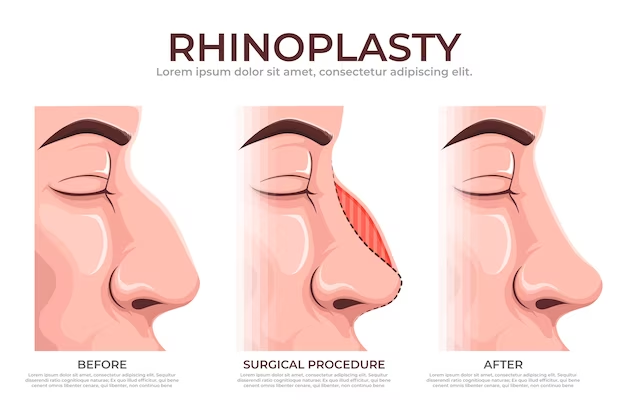
Rhinoplasty, commonly referred to as a “nose job,” is a surgical procedure that aims to reshape and enhance the appearance of the nose. Whether you desire a more refined nasal tip, a reduction in size, or correction of a deviated septum, rhinoplasty can help you achieve the nose you’ve always wanted. It is crucial to consult with a qualified plastic surgeon to discuss your expectations and determine if rhinoplasty is suitable for you.

Teeth Whitening: Illuminating Your Smile

A bright and radiant smile can significantly impact your overall appearance and boost your self-confidence. Teeth whitening treatments offer a simple and effective solution for stained or discolored teeth. Whether you choose in-office teeth whitening procedures or at-home whitening kits, professional cosmetic services can help you achieve a dazzling smile that leaves a lasting impression.

FAQ’s

Q1:What are the benefits of cosmetic services?

Cosmetic services offer numerous benefits, including enhanced self-confidence, improved physical appearance, and a greater sense of well-being. These treatments can help address specific concerns and empower individuals to embrace their natural beauty with added self-assurance.

Q2:Are cosmetic services safe?

When performed by qualified professionals in accredited facilities, cosmetic services are generally safe. However, it is essential to research and choose reputable practitioners who prioritize patient safety and follow strict hygiene and sterilization protocols.

Q3:How long do the results of cosmetic treatments last?

The longevity of cosmetic treatment results varies depending on the procedure and individual factors. Some treatments, such as Botox injections, may require maintenance sessions every few months, while others, like rhinoplasty or breast augmentation, provide long-lasting results.

Q4:Can cosmetic services be customized to individual needs?

Yes, cosmetic services are highly customizable to suit individual needs and preferences. Experienced practitioners assess each patient’s unique requirements and goals to develop personalized treatment plans that deliver the desired outcomes.

Q5:Are there any risks associated with cosmetic services?

Like any medical procedure, cosmetic services carry some inherent risks. It is crucial to have a thorough consultation with your chosen practitioner to discuss potential risks, side effects, and any pre-existing medical conditions that may affect your eligibility for specific treatments.

Q6:What should I consider before undergoing cosmetic treatments?

Before undergoing cosmetic treatments, it is vital to research and select qualified professionals, discuss your goals and expectations, understand the risks and potential side effects, and ensure you have a comprehensive understanding of the procedure, including the recovery process and aftercare instructions.

Conclusion

Cosmetic services have become an integral part of modern beauty routines, empowering individuals to enhance their features and embrace their unique beauty. Whether you seek facial rejuvenation, body contouring, or aesthetic enhancements, professional cosmetic services offer a range of safe and effective solutions to address your specific concerns.

Remember, when considering cosmetic treatments, always prioritize your safety and well-being by choosing reputable practitioners and discussing your goals and expectations openly. By doing so, you can embark on a transformative journey that boosts your confidence, self-expression, and overall satisfaction with your appearance.


Wednesday, 5 July 2023

Halo Skin Laser Treatment: Achieve Radiant and Youthful Skin

Are you looking for a revolutionary skin treatment that can restore your skin’s youthful glow? Look no further than the Halo Skin Laser Treatment. This advanced cosmetic procedure utilizes state-of-the-art laser technology to address various skin concerns and provide you with remarkable results. In this comprehensive guide, we will delve into the world of Halo Skin Laser Treatment, exploring its benefits, procedure, recovery, and more. Discover how this treatment can transform your skin and boost your confidence.

Halo Skin Laser Treatment: Unveiling the Magic

The Halo Skin Laser Treatment is a breakthrough cosmetic procedure designed to improve the overall appearance and texture of your skin. This treatment combines the power of two laser wavelengths, ablative and non-ablative, to deliver outstanding results with minimal downtime. The ablative laser targets the outermost layer of the skin, while the non-ablative laser penetrates deeper into the dermis. This dual-action approach stimulates collagen production, treats various skin imperfections, and leaves you with a radiant and youthful complexion.

Understanding the Benefits

1. Rejuvenate Aging Skin

The Halo Skin Laser Treatment is an excellent solution for individuals seeking to rejuvenate their aging skin. The procedure effectively reduces the appearance of fine lines, wrinkles, and age spots, giving your skin a smoother and more youthful look. By promoting collagen production, Halo stimulates skin regeneration, resulting in improved elasticity and firmness.

2. Correct Sun Damage

Excessive sun exposure can cause a multitude of skin problems, including sunspots, pigmentation irregularities, and uneven skin tone. Halo Skin Laser Treatment targets these sun-induced damages, diminishing the signs of sunspots and promoting a more even complexion. Say goodbye to sun damage and hello to a brighter, more radiant you.

3. Eliminate Acne Scarring

If you’ve struggled with acne in the past, you may have been left with unsightly scars that can impact your self-confidence. Fortunately, Halo Skin Laser Treatment is an effective solution for reducing the appearance of acne scars. The laser energy precisely targets the scarred areas, stimulating the production of new collagen and elastin. Over time, your skin will appear smoother and more even-toned, allowing you to regain your confidence.

4. Minimize Pore Size

Large and visible pores can be a frustrating cosmetic concern. The Halo Skin Laser Treatment can help minimize pore size, giving your skin a smoother and more refined appearance. The laser energy targets the sebaceous glands, reducing oil production and tightening the pores. As a result, you’ll enjoy a more even skin texture and a refined complexion.Visit here for more information.

5. Improve Skin Tone and Texture

Uneven skin tone and texture can be caused by a variety of factors, including sun exposure, genetics, and the natural aging process. The Halo Skin Laser Treatment addresses these concerns by promoting cellular turnover and collagen production. The treatment effectively reduces skin discoloration, smoothens rough texture, and enhances overall skin tone, leaving you with a revitalized and radiant complexion.

The Halo Skin Laser Treatment Process

Now that we’ve explored the incredible benefits of Halo Skin Laser Treatment, let’s delve into the treatment process itself. Understanding what to expect during your Halo session will help you prepare and make the most out of your experience.

Consultation and Assessment

Before undergoing the Halo Skin Laser Treatment, it is essential to schedule a consultation with a qualified dermatologist or cosmetic professional. During this appointment, your skin will be assessed to determine if Halo is the right treatment for your specific concerns. The professional will discuss your goals, explain the procedure, and provide you with pre-treatment instructions.

Preparing for Treatment

In the days leading up to your Halo Skin Laser Treatment, it’s crucial to follow any pre-treatment guidelines provided by your skincare professional. These may include avoiding direct sun exposure, discontinuing certain skincare products, or applying a topical numbing cream before your appointment.

The Treatment Session

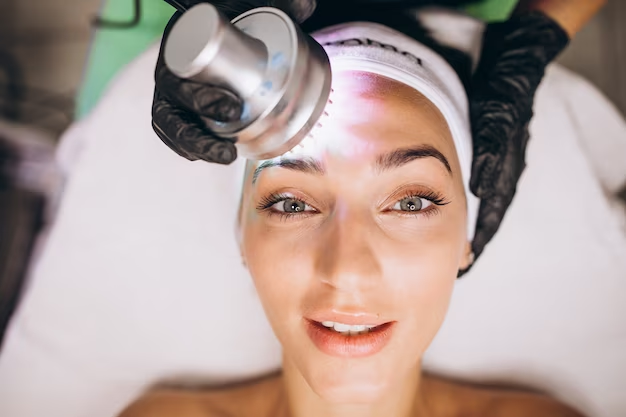
On the day of your Halo Skin Laser Treatment, you’ll arrive at the clinic, and your skin will be cleansed and prepared for the procedure. A topical anesthetic may be applied to ensure your comfort throughout the session. The handheld Halo device will then be passed over the treatment areas, delivering the laser energy precisely and evenly.

Sensations and Downtime

During the treatment, you may experience a warming or prickling sensation on your skin, but it is generally well-tolerated by most individuals. The procedure itself typically takes about 30 minutes to an hour, depending on the size of the treatment area. After the session, you may experience some redness, swelling, and a sunburn-like sensation, which are temporary and subside within a few hours.

Recovery and Aftercare

Following your Halo Skin Laser Treatment, it’s essential to follow the aftercare instructions provided by your skincare professional. This may include avoiding direct sun exposure, applying a soothing moisturizer, and using a broad-spectrum sunscreen daily. Your dermatologist will also schedule follow-up appointments to monitor your progress and ensure optimal results.

FAQs about Halo Skin Laser Treatment

1. How long do the results of Halo Skin Laser Treatment last?

The longevity of the results can vary depending on various factors such as skincare routine, sun exposure, and genetics. Generally, the results of Halo Skin Laser Treatment can last for several years. However, maintenance treatments may be recommended to prolong the benefits.

2. Is Halo Skin Laser Treatment painful?

While individual pain tolerance can vary, most patients report feeling minimal discomfort during the Halo Skin Laser Treatment. The use of topical anesthetics helps to ensure a more comfortable experience.

3. Can Halo Skin Laser Treatment be performed on all skin types?

Yes, one of the significant advantages of Halo Skin Laser Treatment is its versatility. The treatment can be customized to suit different skin types and tones, making it suitable for a wide range of individuals.

4. Are there any side effects associated with Halo Skin Laser Treatment?

Halo Skin Laser Treatment is generally considered safe and associated with minimal side effects. Temporary redness, swelling, and mild discomfort are common immediately after the procedure but subside within a short period. Rarely, individuals may experience hyperpigmentation or blistering, which can be effectively treated by a skincare professional.

6. How many Halo Skin Laser Treatment sessions are typically required?

The number of sessions needed can vary depending on your specific skin concerns and goals. In many cases, patients achieve their desired results after just one treatment session. However, your skincare professional will evaluate your skin during the consultation and recommend the appropriate number of sessions for optimal results.

7. Can Halo Skin Laser Treatment address melasma?

Yes, Halo Skin Laser Treatment can effectively address melasma, a common skin condition characterized by brown or gray patches on the face. The laser energy targets the pigmented areas, reducing the appearance of melasma and promoting a more even skin tone.

8. Is there any downtime associated with Halo Skin Laser Treatment?

While there is some downtime associated with Halo Skin Laser Treatment, it is significantly less compared to traditional ablative laser procedures. Most individuals are able to resume their normal activities within a day or two after the treatment. However, it is important to follow the post-treatment instructions provided by your skincare professional for optimal healing.

9. Can Halo Skin Laser Treatment be performed on other areas of the body?

Yes, Halo Skin Laser Treatment is not limited to the face. It can be performed on other areas of the body, such as the neck, chest, hands, and arms, to address skin concerns in those areas. The versatility of Halo makes it an excellent choice for individuals seeking comprehensive skin rejuvenation.

10. Is Halo Skin Laser Treatment suitable for all ages?

Halo Skin Laser Treatment can benefit individuals of various age groups. Whether you are in your 20s and want to address early signs of aging or in your 50s and looking to rejuvenate mature skin, Halo can be customized to meet your unique needs and goals.

Conclusion

In conclusion, Halo Skin Laser Treatment is a groundbreaking cosmetic procedure that can transform your skin and restore its youthful radiance. With its dual-action approach, Halo effectively addresses a wide range of skin concerns, including wrinkles, sun damage, acne scars, and uneven skin tone. By stimulating collagen production and promoting skin regeneration, Halo helps you achieve a smoother, more even, and rejuvenated complexion. If you are looking to revitalize your skin and boost your confidence, consider Halo Skin Laser Treatment as a viable option.

Remember, it is crucial to consult with a qualified dermatologist or cosmetic professional to determine if Halo Skin Laser Treatment is suitable for you. They will assess your skin, discuss your goals, and provide you with personalized recommendations for the best results.


Monday, 3 July 2023

Rib Cartilage Rhinoplasty: Reshaping Your Nose with Precision and Natural Results

In the world of cosmetic surgery, rhinoplasty is a popular procedure that aims to enhance the appearance and functionality of the nose. One technique that has gained recognition for its ability to provide natural and long-lasting results is rib cartilage rhinoplasty. In this article, we will delve into the intricacies of rib cartilage rhinoplasty, exploring its benefits, procedure, recovery process, and frequently asked questions.

Rib Cartilage Rhinoplasty: What You Need to Know

Rhinoplasty, commonly known as a “nose job,” is a surgical procedure that involves reshaping the nose to improve its aesthetic appearance or correct functional issues such as breathing difficulties. Rib cartilage rhinoplasty is a specialized technique that utilizes the patient’s own rib cartilage to sculpt and rebuild the nasal structure. This approach offers several advantages, including a greater ability to achieve desired results and a reduced risk of complications.

The Procedure: From Consultation to Recovery

Consultation: Mapping Out Your Goals

Before undergoing rib cartilage rhinoplasty, it is crucial to schedule a consultation with a board-certified plastic surgeon specializing in rhinoplasty procedures. During this initial meeting, you will have the opportunity to discuss your goals, concerns, and expectations. The surgeon will evaluate your nasal structure, skin quality, and overall facial harmony to develop a personalized surgical plan that suits your unique needs.

Preoperative Preparation: Setting the Stage for Success

In the weeks leading up to your rib cartilage rhinoplasty, your surgeon will provide detailed preoperative instructions to ensure the best possible outcome. These instructions may include refraining from smoking, avoiding certain medications that can increase the risk of bleeding, and maintaining a healthy lifestyle to promote optimal healing.

The Surgical Procedure: Mastering the Art of Nasal Reshaping

On the day of your surgery, you will be placed under anesthesia to ensure your comfort throughout the procedure. The surgeon will make an incision, typically inside the nose or along the columella (the strip of tissue separating the nostrils), to access the nasal structures. The rib cartilage is harvested through a small incision in the chest area, usually hidden within the natural creases. The surgeon then sculpts and refines the cartilage, carefully grafting it onto the nose to achieve the desired shape and structure.

Recovery and Postoperative Care: Nurturing Your New Nose

Following rib cartilage rhinoplasty, your surgeon will provide detailed instructions to guide you through the recovery process. It is essential to follow these instructions diligently to ensure optimal healing and minimize the risk of complications. Initially, you may experience swelling, bruising, and discomfort, which can be managed with prescribed pain medication and cold compresses. Over time, the swelling will subside, revealing the final outcome of your rib cartilage rhinoplasty.For  more information visit this webpage.

FAQs (Frequently Asked Questions)

1. What are the advantages of rib cartilage rhinoplasty over other techniques?

Rib cartilage rhinoplasty offers several advantages over other techniques. Firstly, it provides a sufficient and stable source of graft material, allowing the surgeon to achieve precise and long-lasting results. Additionally, rib cartilage is versatile and can be shaped to match the natural contours of the nose, providing a more natural and harmonious outcome. Lastly, this technique carries a lower risk of complications such as graft resorption or infection.

2. Is rib cartilage rhinoplasty suitable for everyone?

Rib cartilage rhinoplasty is typically recommended for patients who require significant nasal reconstruction or augmentation. It is particularly beneficial for individuals with inadequate septal cartilage or thin nasal skin. During the consultation, your surgeon will evaluate your nasal anatomy and recommend the most suitable technique for your specific case.

3. How long does it take to recover from rib cartilage rhinoplasty?

The recovery period following rib cartilage rhinoplasty varies from patient to patient. In general, most individuals can expect some swelling and bruising for the first few weeks. The initial healing phase typically lasts about 1 to 2 weeks, during which time you may need to wear a splint to support the nasal structures. It is essential to follow your surgeon’s postoperative care instructions to ensure a smooth and successful recovery.

4. Are there any risks or complications associated with rib cartilage rhinoplasty?

As with any surgical procedure, rib cartilage rhinoplasty carries some risks. Potential complications may include infection, bleeding, poor wound healing, graft resorption, and asymmetry. However, by choosing an experienced and board-certified plastic surgeon, adhering to postoperative care instructions, and maintaining regular follow-up appointments, you can minimize the likelihood of complications and achieve a successful outcome.

5. Can rib cartilage rhinoplasty correct breathing difficulties?

Yes, rib cartilage rhinoplasty can be an effective solution for correcting breathing difficulties resulting from structural abnormalities or previous nasal trauma. By rebuilding and reinforcing the nasal framework with rib cartilage grafts, the surgeon can improve nasal function and restore proper airflow.

6. How long do the results of rib cartilage rhinoplasty last?

The results of rib cartilage rhinoplasty are considered permanent. Unlike other graft materials, rib cartilage provides stability and durability, allowing the nose to maintain its improved shape and structure over time. However, it is important to note that the aging process and external factors such as injury or trauma can still affect the appearance of the nose.

Conclusion

Rib cartilage rhinoplasty is an advanced technique that offers precise and natural results for individuals seeking to enhance the appearance and functionality of their nose. By utilizing the patient’s own rib cartilage, skilled surgeons can create a harmonious and long-lasting outcome. If you are considering rib cartilage rhinoplasty, schedule a consultation with a qualified plastic surgeon to discuss your goals and determine the most suitable approach for you. With proper planning, meticulous execution, and diligent postoperative care, you can achieve the nose you’ve always desired.


Saturday, 1 July 2023

Plastic and Reconstructive Surgery: Enhancing Lives through Expert Care

Plastic and reconstructive surgery is a specialized field of medicine that aims to restore, improve, or enhance the function and appearance of various parts of the body. This transformative branch of medicine combines artistry, precision, and advanced surgical techniques to help individuals regain their confidence, improve their quality of life, and overcome physical limitations.

In this comprehensive article, we will explore the world of plastic and reconstructive surgery, diving into its various sub-specialties, the innovative procedures performed, the benefits it offers to patients, and the expertise of the surgeons who dedicate their careers to this noble field.

Understanding Plastic and Reconstructive Surgery

What is Plastic and Reconstructive Surgery?

Plastic and reconstructive surgery is a specialized branch of medicine that focuses on restoring and enhancing the form and function of different body parts. It encompasses a wide range of procedures, from correcting physical deformities and reconstructing damaged tissues to aesthetic enhancements and anti-aging treatments. Plastic surgeons possess the unique skill set required to perform these intricate surgeries while prioritizing patient safety and well-being.

The History of Plastic and Reconstructive Surgery

The roots of plastic and reconstructive surgery can be traced back thousands of years to ancient civilizations such as India, Egypt, and Rome. The field has evolved significantly over time, with breakthroughs in surgical techniques and the advent of modern medical technology revolutionizing the practice. From reconstructing noses using forehead flaps in ancient India to the development of microsurgery in the 20th century, plastic and reconstructive surgery has a rich history of innovation and progress.

Plastic and Reconstructive Surgery vs. Cosmetic Surgery

While the terms “plastic surgery” and “cosmetic surgery” are often used interchangeably, it is important to understand the distinction between the two. Plastic and reconstructive surgery focuses on restoring form and function, whereas cosmetic surgery primarily aims to enhance aesthetics. Plastic surgeons receive comprehensive training in both reconstructive and cosmetic procedures, allowing them to address a wide range of patient needs.

The Importance of Plastic and Reconstructive Surgery

Plastic and reconstructive surgery plays a vital role in improving the lives of patients across the globe. It offers physical and psychological benefits, restoring confidence, functionality, and a sense of normalcy to individuals who have experienced trauma, congenital abnormalities, or the effects of aging. By providing innovative solutions and compassionate care, plastic surgeons make a lasting impact on the well-being and happiness of their patients.Click here for more information.

Common Procedures in Plastic and Reconstructive Surgery

Breast Reconstruction: Restoring Wholeness

Breast reconstruction is a transformative procedure that aims to rebuild the shape, symmetry, and contour of the breasts after mastectomy or lumpectomy. By utilizing various techniques such as implants, tissue expanders, and autologous tissue transfer, plastic surgeons can recreate natural-looking breasts, helping survivors regain their confidence and femininity.

Facial Rejuvenation: Turning Back the Clock

Facial rejuvenation procedures encompass a range of treatments that target the signs of aging, such as wrinkles, sagging skin, and volume loss. From facelifts and brow lifts to dermal fillers and Botox injections, plastic surgeons employ a combination of surgical and non-surgical techniques to refresh and revitalize the face, allowing patients to reclaim their youthful appearance.

Rhinoplasty: Reshaping the Nose

Rhinoplasty, commonly known as a nose job, is a procedure that aims to reshape and enhance the appearance of the nose. Whether it’s correcting structural abnormalities, refining the nasal tip, or improving overall symmetry, plastic surgeons possess the artistic and technical expertise to achieve optimal results, creating a harmonious balance between the nose and the rest of the facial features.

Body Contouring: Sculpting a New You

Body contouring procedures are designed to reshape and redefine the body’s contours, resulting in a more proportionate and aesthetically pleasing appearance. From liposuction and tummy tucks to body lifts and thigh lifts, plastic surgeons employ various surgical techniques to eliminate excess fat, tighten sagging skin, and sculpt the body to the desired shape, helping patients achieve their aesthetic goals.

Cleft Lip and Palate Repair: Transforming Smiles

Cleft lip and palate are common congenital conditions that affect the facial structure, particularly the upper lip and roof of the mouth. Plastic and reconstructive surgeons specialize in cleft lip and palate repair, performing intricate surgeries to restore normal function, improve speech development, and enhance the overall appearance of the affected area. These procedures have a profound impact on the lives of patients, allowing them to smile with confidence and lead fulfilling lives.

Hand Surgery: Restoring Function

Hand surgery is a sub-specialty of plastic and reconstructive surgery that focuses on the treatment of conditions affecting the hands and upper extremities. From repairing traumatic injuries and restoring hand function to treating conditions like carpal tunnel syndrome and trigger finger, plastic surgeons with expertise in hand surgery employ their intricate knowledge of hand anatomy and microsurgical techniques to deliver optimal outcomes for their patients.

Burn Reconstruction: Healing and Renewal

Burns can cause significant physical and emotional trauma, leaving individuals with scars and functional impairments. Plastic and reconstructive surgeons specializing in burn reconstruction work closely with burn care teams to provide comprehensive treatment and rehabilitation for burn survivors. Through a combination of surgical interventions, scar management techniques, and rehabilitative therapies, these skilled surgeons help restore both form and function, enabling patients to reclaim their lives.

Microsurgery: Precision at a Cellular Level

Microsurgery is a highly specialized field within plastic and reconstructive surgery that involves intricate procedures performed under high-powered microscopes. It allows surgeons to transfer tissue, such as skin, muscle, bone, and nerves, from one part of the body to another, often to reconstruct complex defects resulting from trauma, cancer surgery, or congenital anomalies. Microsurgery requires exceptional skill and precision, as even the tiniest blood vessels and nerves need to be meticulously connected to ensure optimal tissue survival and functionality.

Gender Affirmation Surgery: Embracing Identity

Gender affirmation surgery, also known as gender confirmation surgery or sex reassignment surgery, is a life-changing procedure that helps transgender individuals align their physical appearance with their gender identity. Plastic and reconstructive surgeons specializing in gender-affirming procedures work closely with their patients, providing compassionate care and surgical expertise to help them transition and embrace their true selves.

Scar Revision: Minimizing Visible Reminders

Scars can serve as constant reminders of past trauma or surgical interventions. Plastic surgeons skilled in scar revision techniques employ a variety of approaches, such as surgical excision, laser treatments, and injectable therapies, to minimize the appearance of scars and improve their texture and color. By refining and camouflaging scars, these surgeons help patients regain confidence and move forward with their lives.

Expertise and Trust: The Surgeons Behind the Magic

Years of Training and Experience

Plastic and reconstructive surgeons undergo extensive education and training to acquire the necessary skills and knowledge to excel in their field. After completing medical school, aspiring plastic surgeons embark on a rigorous residency program that focuses on both surgical and non-surgical procedures. This comprehensive training equips them with the expertise needed to provide safe and effective care to their patients.

Board Certification: Ensuring Excellence

Board certification is an essential credential that attests to a plastic surgeon’s expertise and commitment to the highest standards of patient care. Surgeons who have obtained board certification from recognized plastic surgery boards have demonstrated their competence through rigorous evaluations and examinations. When choosing a plastic and reconstructive surgeon, it is crucial to select one who is board-certified to ensure the best possible outcomes.

Patient Testimonials: Stories of Transformation

The impact of plastic and reconstructive surgery can be truly life-changing, and the experiences of patients who have undergone these procedures bear testament to this fact. Countless individuals have shared their stories of transformation, expressing their gratitude for the skilled surgeons who helped them regain their confidence, improve their self-image, and overcome physical limitations. These testimonials serve as powerful reminders of the expertise and compassion that plastic surgeons bring to their practice.

Collaboration with Other Specialists

Plastic and reconstructive surgeons frequently collaborate with other medical specialists to provide comprehensive care for their patients. Depending on the nature of the procedure, they may work closely with dermatologists, oncologists, orthopedic surgeons, and other healthcare professionals to develop individualized treatment plans and ensure optimal outcomes. This multidisciplinary approach underscores the commitment of plastic surgeons to holistic patient care.

Frequently Asked Questions

FAQ 1: What is the recovery time for plastic and reconstructive surgery?

The recovery time for plastic and reconstructive surgery varies depending on the procedure performed, the patient’s overall health, and individual factors. While some procedures may require only a few days of downtime, others may necessitate several weeks for complete recovery. It is essential to follow the post-operative instructions provided by the surgeon and attend all scheduled follow-up appointments to ensure a smooth and successful recovery.

FAQ 2: Are plastic and reconstructive surgeries covered by insurance?

In some cases, plastic and reconstructive surgeries may be covered by insurance. Procedures that are deemed medically necessary, such as breast reconstruction following mastectomy or the correction of functional impairments, may be eligible for insurance coverage. However, cosmetic procedures, which are performed primarily for aesthetic purposes, are typically not covered by insurance. It is advisable to consult with both the surgeon and the insurance provider to determine coverage eligibility.

FAQ 3: Can plastic and reconstructive surgery fix birth defects?

Yes, plastic and reconstructive surgery can address a wide range of birth defects. Whether it’s cleft lip and palate, craniofacial abnormalities, or hand anomalies, skilled plastic surgeons have the expertise to perform corrective procedures that help improve both form and function. Early intervention is often recommended for the best outcomes, and a multidisciplinary team approach may be employed to provide comprehensive care for children with birth defects.

FAQ 4: Are there any risks involved in plastic and reconstructive surgery?

Like any surgical procedure, plastic and reconstructive surgery carries some degree of risk. However, with advancements in surgical techniques, anesthesia, and post-operative care, the risks have been significantly minimized. Surgeons prioritize patient safety and take necessary precautions to mitigate potential complications. It is important for patients to have a thorough discussion with their surgeon about the risks and benefits of the procedure before making an informed decision.

FAQ 5: How long do the results of plastic and reconstructive surgery last?

The longevity of the results achieved through plastic and reconstructive surgery can vary depending on several factors, including the procedure performed, the patient’s lifestyle, and the natural aging process. While some procedures offer long-lasting results, others may require maintenance treatments or lifestyle modifications to preserve the outcomes. Plastic surgeons provide detailed information about the expected longevity of the results during the consultation process.

FAQ 6: What qualifications should I look for in a plastic and reconstructive surgeon?

When selecting a plastic and reconstructive surgeon, it is crucial to consider their qualifications and credentials. Look for a surgeon who is board-certified in plastic surgery and has extensive experience in the specific procedure you are seeking. Additionally, consider the surgeon’s reputation, patient testimonials, and their commitment to ongoing education and professional development. A consultation with the surgeon can provide valuable insights into their expertise and approach to patient care.

Conclusion

Plastic and reconstructive surgery is a specialized field that combines artistry, surgical skill, and compassion to transform lives. Whether it’s restoring form and function after an injury, enhancing aesthetics, or helping individuals embrace their true selves, plastic surgeons play a pivotal role in improving the physical and emotional well-being of their patients. With their years of training, board certification, and dedication to excellence, plastic and reconstructive surgeons are trusted authorities in their field. If you are considering plastic and reconstructive surgery, consult with a qualified surgeon to explore the possibilities and embark on a transformative journey towards a better you.


Unlocking the Secrets of Healthy Skin: A Dermatologist's Guide

Beautiful, healthy skin is not just a matter of genetics; it's a reflection of the care and attention we give to our skin. In this guide...