Thursday, 18 January 2024

What to Expect During Your Halo Laser Treatment Session?

Embarking on a Halo Laser Treatment session can be an exciting step towards achieving radiant and revitalized skin. If you're considering this innovative procedure, understanding what happens during your session can help ease any concerns and prepare you for the transformative journey ahead.

1. Initial Consultation: Setting Expectations

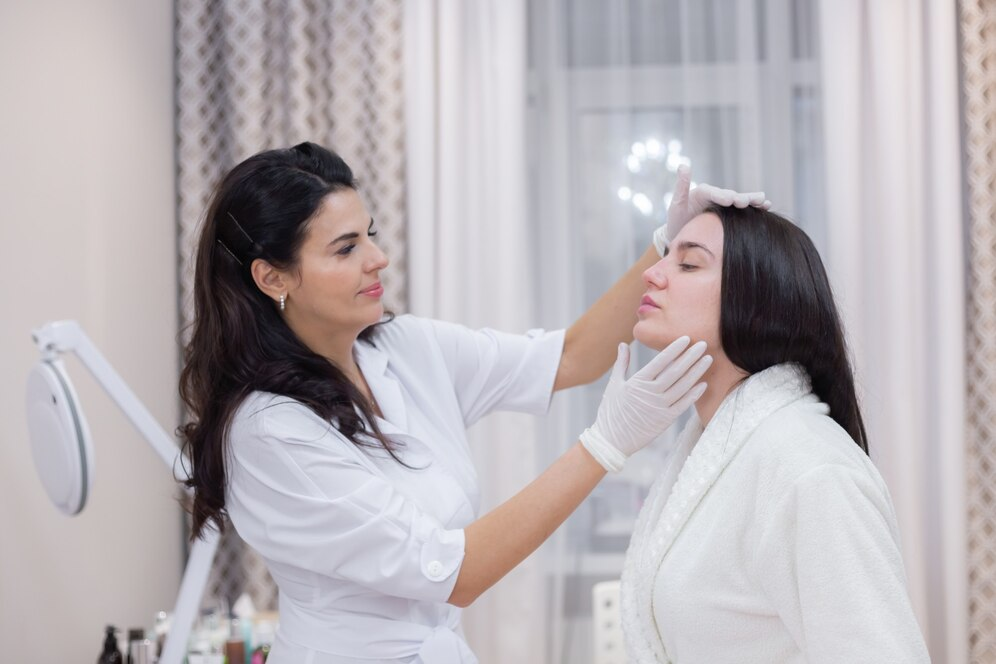
Before your Halo Laser Treatment session, you'll undergo an initial consultation with a qualified skincare professional. This is a crucial step where your skin's condition will be assessed, and your goals and expectations will be discussed. The skincare professional will tailor the treatment plan to address your specific concerns, ensuring a personalized and effective approach.

2. Preparation: Cleansing and Numbing

On the day of your session, the treatment area will be thoroughly cleansed to remove any makeup, oils, or impurities. To enhance comfort during the procedure, a numbing cream may be applied to the skin. This ensures that you experience minimal discomfort during the treatment.

3. Application of Halo Laser

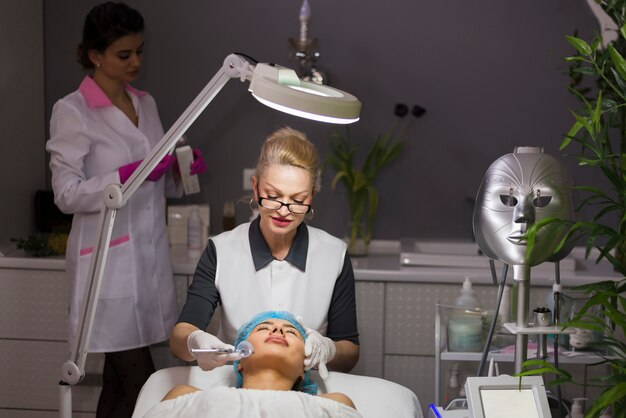
Once the skin is prepped and numb, the Halo Laser Treatment will begin. The handheld laser device will be systematically applied to the treatment area, emitting controlled pulses of laser energy. You may feel a warm sensation on your skin, but the numbing cream helps alleviate any potential discomfort.

4. Hybrid Fractional Technology in Action

The uniqueness of the Halo Laser Treatment lies in its use of hybrid fractional technology. This technology allows for precise control over the depth of treatment, ensuring that both superficial and deeper skin layers are targeted. This tailored approach is key to achieving optimal results while minimizing any impact on the skin's surface.

5. Collagen Stimulation: Building a Foundation for Radiance

As the laser works its magic, it stimulates collagen production in the skin. Collagen is a vital protein that provides structural support, contributing to firmness and elasticity. The Halo treatment not only addresses immediate concerns but also promotes long-term skin health by enhancing collagen synthesis.

6. Duration and Comfort

The duration of a Halo Laser Treatment session can vary based on the size of the treatment area and the specific concerns being addressed. Sessions typically last between 30 minutes to an hour. The use of numbing cream and the precision of the laser technology contribute to the overall comfort of the experience.

7. Post-Treatment Care

After the Halo Laser Treatment session, your skincare professional will provide guidelines for post-treatment care. This may include applying soothing creams, avoiding direct sunlight, and following a gentle skincare routine. While downtime is minimal, adhering to these instructions ensures optimal results and a smooth recovery.

8. Immediate and Gradual Results

You may notice an immediate improvement in your skin's texture and tone following the session. However, the full benefits of the treatment will continue to unfold in the days and weeks that follow. Gradual improvements, including reduced fine lines and enhanced radiance, contribute to the long-term success of the Halo Laser Treatment.

9. Follow-Up and Maintenance

Depending on your specific skincare goals, your skincare professional may recommend follow-up sessions to maintain and enhance the results. These sessions contribute to the longevity of the benefits and ensure that your skin continues to thrive.

Conclusion

A Halo Laser Treatment session is a journey towards luminous and revitalized skin. By understanding the steps involved, from the initial consultation to post-treatment care, you can approach the experience with confidence. The precision, versatility, and collagen-stimulating effects of the Halo Laser Treatment make it a reliable choice for those seeking a transformative skincare solution.

FAQs

  1. Is the Halo Laser Treatment suitable for all skin types?

Yes, the treatment is customizable and can be adapted to different skin types. Your skincare professional will assess your skin during the consultation to ensure suitability.


  1. How soon can I resume normal activities after the session?

Most individuals can resume their regular activities immediately after the Halo Laser Treatment session, thanks to its minimal downtime.


  1. Are there any potential side effects during or after the session?

While rare, some individuals may experience mild redness or swelling, which typically resolves within a day or two. Your skincare professional will provide guidance on managing any potential side effects.


  1. Can the Halo Laser Treatment be combined with other skincare procedures?

Yes, depending on your skincare goals, the Halo treatment can be combined with other procedures for a comprehensive approach. Your skincare professional will guide you on the best combination for your needs.


  1. How long do the results of the Halo Laser Treatment last?

Results vary, but many individuals experience long-lasting improvements. Follow-up sessions may be recommended to maintain and enhance the benefits over time.


Wednesday, 17 January 2024

When Halo Laser Treatment Becomes Your Skin's Best Friend

In the ever-evolving landscape of skincare, finding the right ally for your skin concerns can be a game-changer. For those seeking a transformative and rejuvenating experience, the Halo Laser Treatment emerges as a true friend to your skin. Let's explore why this innovative procedure is earning its reputation as the go-to solution for achieving radiant and revitalized skin.

Understanding the Halo Advantage

The Halo Laser Treatment has garnered attention for its ability to provide a comprehensive skincare solution. Combining the best of both ablative and non-ablative laser technologies, this treatment is designed to address a wide array of skin concerns, making it a versatile choice for individuals seeking noticeable results.

Ablative and Non-Ablative Harmony

The synergy of ablative and non-ablative lasers in the Halo treatment is what sets it apart. Ablative lasers work to remove damaged skin layers, promoting collagen production and revealing fresher skin. Meanwhile, non-ablative lasers penetrate deeper layers without causing surface damage. This harmonious blend allows for effective skin renewal without the prolonged downtime associated with some other procedures.

Tailored Precision with Hybrid Fractional Technology

The precision of the Halo Laser Treatment is made possible by its use of hybrid fractional technology. This technology allows skincare professionals to tailor the depth of treatment, ensuring that specific skin concerns are targeted with precision. This customization is crucial in achieving optimal results while minimizing any discomfort or recovery time.

Collagen Boost for Long-Term Radiance

One of the key benefits of the Halo Laser Treatment is its ability to stimulate collagen production. Collagen, a vital protein for skin structure, diminishes with age, contributing to wrinkles and sagging. By promoting collagen synthesis, the treatment not only addresses immediate concerns but also contributes to the long-term firmness and elasticity of the skin.

Versatility for Varied Skin Woes

Whether dealing with sun damage, fine lines, or uneven skin tone, the Halo Laser Treatment is a versatile solution. Its adaptability makes it suitable for a broad spectrum of individuals, making it an inclusive choice for those seeking a personalized approach to skin rejuvenation.

Embracing the Treatment Journey

Individuals considering the Halo Laser Treatment can expect a journey marked by personalized care. The process typically begins with a thorough consultation where skincare professionals assess the skin's condition and discuss the individual's goals. During the treatment, the laser is applied with precision, and while patients may experience a warm sensation, the overall procedure is designed to be well-tolerated. The minimal downtime allows individuals to resume their daily activities soon after.

Revel in the Benefits

The Halo Laser Treatment delivers a range of benefits, making it a transformative experience for many. Improved skin texture, diminished fine lines, and a more even complexion are among the noticeable outcomes. Patients often report a radiant glow and enhanced skin vitality, solidifying the treatment's status as a trusted companion on the journey to beautiful skin.

Considerations for a Safe Journey

While the Halo Laser Treatment is generally safe, considerations for individual skin types and potential side effects are crucial. Consulting with a qualified skincare professional ensures a safe and tailored approach, maximizing the benefits while minimizing any associated risks.

Conclusion

In the quest for radiant and revitalized skin, the Halo Laser Treatment emerges as more than just a cosmetic procedure. It becomes your skin's best friend, a reliable ally in the pursuit of a luminous complexion. The science behind this innovative treatment, coupled with its versatility and minimal downtime, positions it as a transformative force in the world of skincare.

FAQs


1. Who is an ideal candidate for the Halo Laser Treatment?

The treatment is suitable for a wide range of skin types and concerns. A consultation with a skincare professional helps determine if it's the right fit for an individual.


2. How long do the benefits of the Halo Laser Treatment last?

Results vary, but many individuals experience long-lasting improvements. Maintenance treatments may be recommended to prolong the effects.


3. Can the Halo Laser Treatment be combined with other skincare procedures?

Yes, depending on individual needs and goals, the Halo treatment can be combined with other procedures for a comprehensive skincare approach.


4. Is the treatment painful, and what is the recovery like?

Discomfort during the procedure is typically minimal, and recovery is short. Most individuals can resume their regular activities shortly after treatment.


5. Are there specific skincare products recommended post-Halo Laser Treatment?

Skincare professionals may recommend specific products to enhance and maintain the results of the treatment. Following a customized skincare routine is essential for optimal outcomes.


Tuesday, 16 January 2024

How Halo Laser Treatment Works: The Science Behind Radiant Skin

Laser treatments have revolutionized the field of skincare, offering advanced solutions to achieve radiant and rejuvenated skin. One such groundbreaking procedure is the Halo Laser Treatment. In this article, we will delve into the science behind this innovative skincare technique, exploring how it works to unveil a more luminous and youthful complexion.

Understanding Laser Technology

Before delving into the specifics of the Halo Laser Treatment, it's essential to grasp the basics of laser technology. Lasers work by emitting focused beams of light that target specific tissues or skin concerns. In the realm of skincare, lasers have become invaluable tools for addressing issues such as wrinkles, pigmentation, and overall skin texture.

Introduction to Halo Laser Treatment

The Halo Laser Treatment stands out as a hybrid fractional laser procedure that combines both ablative and non-ablative wavelengths. Developed to address a range of skin concerns, this treatment is known for its ability to deliver remarkable results with minimal downtime.

Ablative vs. Non-Ablative: Striking a Balance

The uniqueness of the Halo Laser Treatment lies in its dual-action approach. Ablative lasers remove thin layers of skin, promoting collagen production and revealing fresher skin underneath. Non-ablative lasers, on the other hand, work by heating the deeper layers of the skin without causing surface damage. The combination of both in the Halo treatment allows for comprehensive skin renewal.

Precision with Hybrid Fractional Technology

Halo utilizes hybrid fractional technology to provide precise control over the depth of treatment. This means that the laser can target both superficial and deep skin layers, tailoring the procedure to individual skin concerns. This precision is crucial in achieving optimal results while minimizing discomfort and recovery time.

Collagen Stimulation for Long-Term Benefits

One of the key elements of the Halo Laser Treatment is its ability to stimulate collagen production. Collagen is a protein that provides structural support to the skin. By promoting collagen synthesis, the treatment not only addresses immediate concerns but also contributes to long-term skin firmness and elasticity.

Customizable for Varied Skin Concerns

Whether dealing with sun damage, fine lines, or uneven skin tone, the Halo Laser Treatment can be customized to target specific concerns. The versatility of this procedure makes it suitable for a wide range of individuals seeking skin rejuvenation.

The Treatment Process

Patients undergoing the Halo Laser Treatment can expect a well-defined process. The procedure typically begins with a thorough consultation to assess the individual's skin condition and discuss expectations. During the treatment, the laser is carefully applied to the skin, and patients may experience a warm sensation. Post-treatment care involves minimal downtime, with visible results gradually appearing in the days and weeks following the procedure.

Benefits and Results

The Halo Laser Treatment offers a myriad of benefits, including improved skin texture, reduced fine lines, and a more even complexion. Patients often report a noticeable glow and enhanced skin radiance, making it a sought-after solution for those aiming to restore a youthful appearance.

Considerations and Safety Measures

While the Halo Laser Treatment is generally well-tolerated, it's essential to consider individual skin types and potential side effects. Consulting with a qualified skincare professional ensures a personalized approach, maximizing the benefits while minimizing any associated risks.

Conclusion

In the quest for radiant skin, the science behind the Halo Laser Treatment provides a compelling narrative. By harnessing the power of hybrid fractional technology, this procedure offers a tailored solution for various skin concerns. Whether seeking to address signs of aging or enhance overall skin texture, the Halo Laser Treatment stands as a testament to the advancements in skincare science, providing individuals with a path to rejuvenated and luminous skin.

FAQs


  1. Is the Halo Laser Treatment suitable for all skin types?

The treatment is customizable and can be adapted to different skin types, but consultation with a skincare professional is crucial for personalized recommendations.


  1. How long does it take to see results after the Halo Laser Treatment?

Results vary, but many individuals notice improvements in skin texture and tone within a few days, with continued enhancement over several weeks.


  1. Are there any specific post-treatment precautions to follow?

While downtime is minimal, following post-treatment care instructions, including sun protection, is essential to optimize results.


  1. Can the Halo Laser Treatment address acne scars?

Yes, the precision of the treatment allows for targeted improvement in skin texture, making it effective for reducing the appearance of acne scars.


  1. Is the procedure painful, and what is the typical recovery time?

Discomfort during the procedure is generally minimal, and recovery time is short, with many individuals returning to their regular activities shortly after treatment.


Monday, 15 January 2024

When Sunscreen Isn't Enough: Indoor Tanning and Skin Cancer Risks

Indoor tanning has become a pervasive trend, with many seeking that coveted sun-kissed glow throughout the year. While sunscreen is a staple in our defense against harmful UV rays, it often falls short in the realm of indoor tanning. In this article, we'll delve into the allure of indoor tanning, the nuances of UV rays and sunscreen, and the stark realities of skin cancer risks associated with this popular practice.

The Allure of Indoor Tanning

In a world obsessed with bronzed beauty, indoor tanning has gained immense popularity. The promise of a quick, even tan regardless of the weather outside is undeniably alluring. However, this allure comes with potential risks that often go unnoticed.

UV Rays and Skin Health

To understand the risks, it's crucial to grasp the basics of UV rays. Ultraviolet radiation from the sun is divided into UVA and UVB rays, each with its own set of consequences for the skin. While sunscreen is effective outdoors, its limitations become apparent in indoor tanning settings.

Sunscreen Basics

Sunscreen is our first line of defense against the sun's harmful rays. The Sun Protection Factor (SPF) indicates the level of protection a sunscreen provides. However, relying solely on sunscreen in indoor tanning environments can lead to a false sense of security.

When Sunscreen Falls Short

Indoor tanning poses unique challenges to sunscreen efficacy. The enclosed environment intensifies exposure, and users may apply sunscreen sparingly, unaware of the increased risk. As a result, the protective shield we rely on outdoors becomes less effective, leaving the skin vulnerable.

The Dark Side of Indoor Tanning

Recent studies have shown a concerning link between indoor tanning and the rise in skin cancer cases. From melanoma to squamous cell carcinoma, the risks associated with frequent tanning sessions are undeniable. Understanding these risks is paramount in making informed choices about our skin health.

Understanding Skin Cancer Risks

Skin cancer risks vary, with factors like skin type, genetic predisposition, and tanning frequency playing crucial roles. This section will delve into the different types of skin cancer linked to indoor tanning and the factors that contribute to susceptibility.

Regulations and Warnings

To curb the rising tide of indoor tanning-related skin issues, regulations and warnings have been implemented. However, their effectiveness depends on public awareness and adherence. This section explores the existing regulatory landscape and the importance of informed decision-making.

Perplexity of Indoor Tanning Culture

The perplexity surrounding indoor tanning culture is complex. Societal norms often dictate beauty standards, leading individuals to make choices that may compromise their health. Analyzing this perplexity helps us understand the societal factors influencing indoor tanning trends.

Burstiness: Media Influence

Media plays a pivotal role in shaping perceptions of beauty. The burstiness of tanned skin as portrayed in media influences our preferences and choices. Examining these influences is crucial in understanding the dynamics of indoor tanning culture.

Alternatives to Indoor Tanning

Fortunately, there are safer alternatives to achieve a tan without compromising skin health. From sunless tanning lotions to spray tans, exploring these alternatives provides a way to enjoy a radiant glow without the associated risks.

Promoting Skin Health

This section emphasizes the importance of prioritizing skin health over fleeting trends. Regular skin checks, sun protection, and awareness are key elements in maintaining skin integrity and preventing the development of skin cancer.

Breaking the Tanning Addiction

Indoor tanning can be addictive, with individuals seeking the euphoria associated with tanning sessions. Breaking this addiction requires a concerted effort, and this section offers practical tips to overcome the allure of frequent tanning.

A Glimpse into the Future

As our understanding of skincare advances, so do our attitudes towards tanning. This section explores emerging technologies and trends that focus on skin protection and healthier alternatives to achieve that sun-kissed look.

Conclusion

In the pursuit of a tan, it's essential to weigh the risks against the perceived benefits. Indoor tanning may offer a quick fix, but the potential consequences on skin health are substantial. Prioritizing skin health, exploring safer alternatives, and breaking the cycle of addiction can lead to a future where radiant skin coexists with a commitment to overall well-being.

FAQs

1. Is indoor tanning ever safe for the skin?

While complete safety is challenging to guarantee, minimizing exposure and adhering to recommended guidelines can reduce risks.


2. Do all types of skin cancer have a link to indoor tanning?

Various types of skin cancer have been associated with indoor tanning, making it essential to be vigilant about skin health.


3. Can I still get a tan without indoor tanning?

Yes, there are numerous safe alternatives, such as sunless tanning products, that offer a tan without the associated risks.


4. How often should I check my skin for abnormalities?

Regular self-examinations are recommended, ideally monthly, to catch any changes early.


5. Are there any advancements in skincare that can help protect against UV rays?

Yes, ongoing research has led to innovations in skincare, providing enhanced protection against UV radiation.


Tuesday, 9 January 2024

Sun Smarts: Protecting Your Skin Against UV Rays

Welcome to the ultimate guide on Sun Smarts: Protecting Your Skin Against UV Rays. In this comprehensive article, we delve into the importance of safeguarding your skin from the sun’s harmful rays. From understanding UV radiation to practical tips for sun protection, we’ve got you covered. Let’s embark on a journey to a healthier and sun-smart lifestyle.

Understanding UV Rays

The sun emits various types of ultraviolet (UV) rays, each with distinct characteristics. Types of UV Rays include UVA, UVB, and UVC, with UVA and UVB posing the most significant threats to our skin. Understanding these distinctions is crucial in developing effective sun protection strategies.For more information visit this webpage.

Effects of UV Exposure

UV exposure can have both short-term and long-term consequences on your skin. Short-term Impact may manifest as sunburn, while Long-term Consequences can include premature aging and an increased risk of skin cancer. Protecting your skin is not just about avoiding immediate discomfort but ensuring long-term health.

Choosing the Right Sunscreen

Not all sunscreens are created equal. It’s essential to decipher the mysteries of SPF (Sun Protection Factor) and explore the benefits of Water-Resistant Formulas. This section will guide you in making informed choices to shield your skin effectively.

Fashionable Sun Protection

Who says sun protection can’t be stylish? Discover how you can elevate your sun smarts with Stylish Hats and Clothing. Additionally, explore the importance of UV-Blocking Sunglasses in safeguarding your eyes from harmful rays.

Sun Smarts for All Ages

Sun protection is a lifelong commitment. Uncover specific strategies for ensuring Children’s Sun Safety and explore tailored approaches for Sun Protection for Seniors. It’s never too early or too late to adopt sun-smart habits.

Sun Smarts: Protecting Your Skin Against UV Rays.

Creating a sun-safe environment goes beyond personal habits. Learn how to implement sun smarts on a broader scale, fostering a community committed to Protecting Your Skin Against UV Rays. Discover the impact of collective efforts in minimizing UV-related risks.

DIY Sunscreen Myths

With the rise of DIY trends, it’s crucial to debunk Common Misconceptions surrounding homemade sunscreens. Delve into the risks associated with DIY sun protection, ensuring you make choices that prioritize your skin’s well-being.

Healthy Sun Habits

Sun exposure is not the enemy; it’s about finding the right balance. Explore the concept of Optimal Sun Exposure and understand how to maintain a Vitamin D Balance without compromising your skin’s health. Embrace sun smarts that promote overall well-being.

Sun Smarts: Protecting Your Skin Against UV Rays. at the Beach

The beach is a haven for relaxation, but it comes with unique sun challenges. From utilizing Beach Umbrellas and Tents for shade to understanding the risks of Sand Reflection, this section equips you with the knowledge to enjoy the sun safely.

UV-Protective Clothing Guide

Clothing can be your first line of defense against UV rays. Learn how to decipher UPF Ratings and discover the Best Fabrics for Sun Protection. Elevate your wardrobe with pieces that prioritize your skin’s safety.

Sun-Safe Makeup Tips

Beauty can coexist with sun protection. Explore the world of SPF-Infused Cosmetics and develop an Evening Skincare Routine that rejuvenates your skin after a day of sun exposure. Beauty and sun smarts go hand in hand.

FAQs on Sun Protection

How often should I reapply sunscreen?

Sunscreen effectiveness diminishes over time, especially with swimming or sweating. Reapply every two hours or more frequently if engaged in water activities.

Are higher SPF numbers better?

While higher SPF offers more protection, the increase is marginal. SPF 30–50 is usually sufficient if applied correctly and reapplied as needed.

Can I get enough Vitamin D without sun exposure?

Yes, you can obtain Vitamin D through diet and supplements. However, moderate sun exposure remains a natural and beneficial source.

What’s the best time for sun exposure?

Early morning or late afternoon sun is gentler on the skin. Avoid prolonged exposure during peak hours (10 am to 4 pm).

Do I need sunscreen on a cloudy day?

Yes, UV rays penetrate clouds. Apply sunscreen on cloudy days to maintain consistent protection.

How do I choose the right sunscreen for my skin type?

Opt for a broad-spectrum sunscreen with at least SPF 30. Consider your skin type, activities, and potential sensitivities when choosing.

Conclusion

In the pursuit of a sun-smart lifestyle, knowledge is your greatest ally. Armed with insights from this guide, you can confidently embrace Sun Smarts: Protecting Your Skin Against UV Rays. Let these practices become second nature, ensuring your skin remains healthy and radiant.


Monday, 8 January 2024

Skin Cancer Awareness: Early Detection Saves Lives

Welcome to a journey of understanding and raising awareness about skin cancer. In this article, we delve into the depths of “Skin Cancer Awareness: Early Detection Saves Lives.” Join us in exploring the nuances, signs, and preventive measures to combat this silent threat.

1. The Alarming Rise of Skin Cancer

Skin cancer is on the rise globally, becoming a significant health concern. Uncover the statistics and trends that underscore the urgency of raising awareness about this potentially life-threatening condition.

2. Types of Skin Cancer

Dive into the different types of skin cancer, from basal cell carcinoma to melanoma. Understanding these variations is crucial for early detection and effective prevention.Click here for more information.

3. The Silent Progression: How Skin Cancer Develops

Explore the insidious progression of skin cancer. Learn about the initial stages and the warning signs that often go unnoticed. Early detection is the key to intervening in this silent progression.

4. Skin Cancer Risk Factors: What Puts You at Risk?

Identify the risk factors associated with skin cancer. From sun exposure to genetic predispositions, knowing your vulnerability is the first step in taking preventive measures.

5. Sun Safety Measures for Skin Cancer Prevention

Unveil the secrets of sun safety. Discover practical tips to shield yourself from harmful UV rays, reducing the risk of skin cancer. Empower yourself with knowledge to enjoy the sun safely.

6. Importance of Regular Skin Checks

Highlight the significance of routine skin checks. Regular self-examinations and professional screenings play a pivotal role in early detection, ultimately saving lives.

7. Recognizing the Early Signs: What to Look For

Educate yourself on the early signs of skin cancer. From changes in moles to unusual skin growth, being vigilant allows for timely intervention and improved outcomes.

8. Skin Cancer Awareness Campaigns: Making Strides

Explore the impact of skin cancer awareness campaigns. Initiatives around the globe are making strides in educating the public, emphasizing the importance of early detection.

9. The Role of Dermatologists in Skin Cancer Prevention

Acknowledge the crucial role dermatologists play in skin cancer prevention. From diagnosis to treatment, these medical professionals are instrumental in the fight against skin cancer.

10. The Emotional Toll: Navigating a Skin Cancer Diagnosis

Delve into the emotional aspect of a skin cancer diagnosis. Understand the psychological impact on individuals and their loved ones, emphasizing the importance of support networks.

11. Innovations in Skin Cancer Detection Technologies

Stay informed about advancements in skin cancer detection technologies. From AI-assisted screenings to innovative imaging techniques, technology is playing a pivotal role in enhancing early detection.

12. Global Efforts: Uniting Against Skin Cancer

Highlight global initiatives in the fight against skin cancer. International collaborations, research efforts, and awareness programs contribute to a collective stance against this prevalent health threat.

13. Skin Cancer in Different Age Groups: Tailoring Awareness

Recognize the age-specific nuances of skin cancer. Tailor awareness efforts to different age groups, addressing unique risk factors and preventive measures.

14. Dispelling Myths: Separating Fact from Fiction

Bust common myths surrounding skin cancer. Clear misconceptions that may hinder early detection and prevention, fostering a more informed and proactive approach.

15. Skin Cancer Prevention in Your Daily Routine

Wrap up with practical tips for incorporating skin cancer prevention into your daily routine. Small lifestyle changes can make a significant impact on reducing the risk and promoting overall skin health.

Skin Cancer Awareness: Early Detection Saves Lives

In this pivotal section, delve into stories of survival, emphasizing the life-saving potential of early detection. Real-life experiences underscore the urgency of spreading awareness and the profound impact it has on saving lives.

FAQs

What are the primary risk factors for skin cancer? Explore the various risk factors, including sun exposure, genetics, and lifestyle choices, influencing the development of skin cancer.

How often should I perform self-examinations for skin cancer? Learn about the recommended frequency of self-examinations and the importance of regular screenings by healthcare professionals.

Can sunscreen truly prevent skin cancer? Uncover the role of sunscreen in preventing skin cancer and how to choose the right one for optimal protection.

Are there specific warning signs for melanoma? Understand the distinctive signs of melanoma, a potentially aggressive form of skin cancer, and the importance of early intervention.

What role do diet and nutrition play in skin cancer prevention? Explore the connection between diet, nutrition, and skin cancer prevention, adopting a holistic approach to overall well-being.

How can I support skin cancer awareness in my community? Discover actionable steps to contribute to skin cancer awareness campaigns and make a positive impact on your community.

Conclusion

As we wrap up this comprehensive exploration, remember that knowledge is power. By spreading awareness and prioritizing early detection, we collectively contribute to the battle against skin cancer. Let’s unite in the mission to save lives and promote skin health.


Unlocking the Secrets of Healthy Skin: A Dermatologist's Guide

Beautiful, healthy skin is not just a matter of genetics; it's a reflection of the care and attention we give to our skin. In this guide...