Monday, 11 December 2023

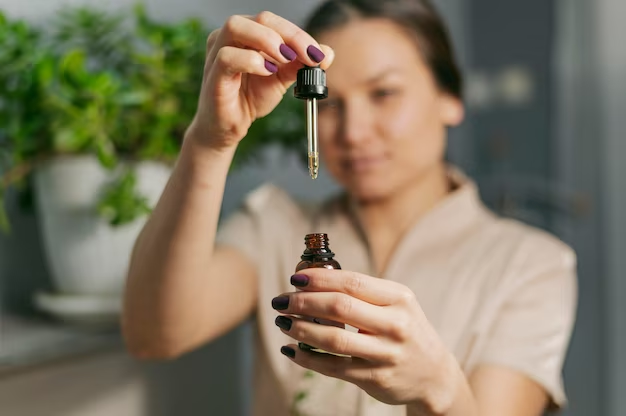
Eco-Friendly Beauty: Sustainable Practices in Skincare

In an era where environmental consciousness is a priority, the beauty industry is undergoing a transformative shift towards sustainability. Eco-friendly beauty, characterized by ethical and environmentally responsible practices, is gaining momentum. This article delves into the principles of sustainable skincare, exploring how embracing eco-friendly beauty can contribute to a healthier planet while nurturing your skin.

Understanding Eco-Friendly Beauty


  • Defining Sustainable Skincare


Eco-friendly or sustainable skincare goes beyond mere product labeling. It encompasses a commitment to minimizing environmental impact throughout the entire product lifecycle. From ingredient sourcing and production processes to packaging and disposal, sustainable skincare aims for a harmonious coexistence with nature.


Sourcing Ethical and Organic Ingredients


  • The Foundation of Eco-Friendly Beauty


The journey towards sustainability begins with ingredient sourcing. Eco-friendly beauty brands prioritize ethically sourced and organic ingredients. These may include plant extracts, essential oils, and other natural components. By choosing ingredients grown without harmful pesticides or unethical practices, these brands contribute to a cleaner and more responsible supply chain.


Minimalist Packaging: Reduce, Reuse, Recycle


  • Sustainable Packaging Practices


A significant aspect of eco-friendly beauty is the adoption of minimalist and sustainable packaging. Brands are reducing unnecessary packaging, opting for recyclable materials, and even embracing refillable options. By minimizing plastic use and choosing eco-conscious materials, sustainable skincare brands actively work towards reducing their carbon footprint.


Cruelty-Free Practices: A Compassionate Approach


  • Ethical Beauty without Animal Testing


Eco-friendly beauty is synonymous with cruelty-free practices. Sustainable skincare brands adamantly avoid animal testing, opting for alternative testing methods. This ethical stance not only aligns with the values of conscious consumers but also contributes to a world where beauty is achieved without harm to animals.


Biodegradable Formulations: Returning to Earth


  • Reducing Environmental Impact


In the pursuit of sustainability, eco-friendly beauty emphasizes biodegradable formulations. This means that once the skincare product is used, it breaks down naturally, reducing the burden on landfills. From cleansers to exfoliants, these formulations prioritize environmental harmony.


Upcycling and Circular Economy Practices


  • Extending the Lifecycle of Products


Sustainable skincare goes beyond the initial use of a product. Brands are exploring upcycling initiatives and circular economy practices, encouraging consumers to return empty containers for recycling or offering innovative ways to repurpose packaging. This approach extends the lifecycle of each product, minimizing waste.


DIY Beauty Recipes: Empowering Consumers


  • Bringing Sustainability to Your Vanity


Eco-friendly beauty encourages consumers to take an active role in sustainability through do-it-yourself (DIY) beauty recipes. By crafting skincare products at home using natural ingredients, individuals can control the sourcing of materials and reduce their reliance on commercially packaged products.


Community and Social Responsibility


  • Empowering Local Communities


Many eco-friendly beauty brands are committed to social responsibility. They actively engage with local communities, supporting fair trade practices and empowering workers involved in ingredient harvesting and production. By fostering positive relationships, sustainable skincare contributes to the well-being of both people and the planet.


Educa­tion and Transparency


  • Informed Choices for Conscious Consumers


Education plays a crucial role in the eco-friendly beauty movement. Sustainable skincare brands prioritize transparency, providing consumers with information about ingredient sourcing, production processes, and environmental initiatives. This transparency empowers consumers to make informed choices aligned with their values.


The Future of Sustainable Skincare


  • Continued Innovation and Global Impact


As eco-friendly beauty gains momentum, the future holds exciting possibilities. Continued innovation in sustainable packaging, advancements in biodegradable formulations, and the global expansion of eco-conscious practices will shape the beauty industry. Sustainable skincare is not just a trend; it's a fundamental shift towards a more responsible and earth-friendly approach to beauty.


Conclusion


Eco-friendly beauty is a harmonious marriage of skincare and environmental responsibility. By embracing sustainable practices, the beauty industry not only cares for the well-being of your skin but also contributes to the health of the planet. As a conscious consumer, choosing eco-friendly beauty allows you to participate in a movement that transcends beauty products, promoting a sustainable and ethical lifestyle.


FAQs


1. Are eco-friendly beauty products as effective as traditional skincare products?

Yes, many eco-friendly beauty products are formulated with high-quality, natural ingredients that can be equally, if not more, effective than traditional skincare products. The efficacy often depends on individual preferences and skin types.


2. How can I ensure that a brand is truly eco-friendly and not just greenwashing?

Look for certifications such as cruelty-free labels, organic certifications, or eco-friendly packaging symbols. Additionally, research the brand's sustainability initiatives and transparency in ingredient sourcing.


3. Can sustainable skincare be affordable?

Yes, sustainable skincare can be affordable. Many brands offer a range of products with different price points. Additionally, embracing a minimalist skincare routine and utilizing DIY recipes can be cost-effective.


4. What are some DIY ingredients for eco-friendly skincare at home?

Common DIY ingredients include coconut oil, aloe vera, honey, oats, and essential oils. These ingredients can be combined to create cleansers, masks, and moisturizers at home.


5. How does sustainable skincare contribute to environmental conservation?

Sustainable skincare contributes to environmental conservation by minimizing the environmental impact of production, reducing waste through eco-friendly packaging, and supporting ethical and eco-conscious ingredient sourcing.


Sunday, 10 December 2023

The Sun and Your Skin: Understanding SPF and Sun Protection

In a world illuminated by the warm embrace of the sun, understanding the dynamics between your skin and the sun’s rays is paramount. “The Sun and Your Skin: Understanding SPF and Sun Protection” dives deep into the nuances of safeguarding your skin from the sun’s powerful influence.

Importance of Sun Protection

Basking in the sun’s glow is delightful, but it comes with responsibilities. Discover the significance of shielding your skin against harmful UV rays and how it contributes to long-term skin health.

The Science Behind SPF

Delve into the science behind Sun Protection Factor (SPF) to demystify the numbers on sunscreen bottles. Uncover the secrets of SPF and how it shields your skin from the sun’s ultraviolet onslaught. Click here for more information.

Choosing the Right SPF

Not all sunscreens are created equal. Learn how to select the right SPF for your skin type and the environment you’re in. Your skin deserves tailored protection.

Applying Sunscreen Correctly

Knowing is half the battle, but applying sunscreen correctly seals the deal. Master the art of sunscreen application, ensuring maximum effectiveness in safeguarding your skin.

SPF in Skincare Products

Beyond traditional sunscreens, explore the integration of SPF into skincare products. Elevate your skincare routine with products designed to shield you from the sun’s rays.

Sunscreen for Different Skin Types

Each skin type has its unique needs. Uncover the best sunscreen for your specific skin type, ensuring optimal protection without compromising on care.

Sun Protection for Children

Children’s skin requires special attention. Navigate the nuances of protecting your little ones from the sun, fostering a foundation for a lifetime of healthy sun habits.

Sun-Related Skin Issues

Explore the various skin issues linked to sun exposure. Arm yourself with knowledge to mitigate potential risks and keep your skin radiant and resilient.

Effects of UV Rays on Skin

UV rays are a double-edged sword. Delve into the intricate effects of UV rays on your skin, understanding the balance between sun exposure and skin well-being.

Lifestyle and Sun Exposure

Your lifestyle choices influence your sun exposure. Uncover the relationship between your daily activities and their impact on your skin’s health.

Common Myths About Sun Protection

Separate fact from fiction as we debunk common myths surrounding sun protection. Equip yourself with accurate information to make informed choices.

Benefits of Sun Exposure

Contrary to popular belief, sun exposure offers benefits. Explore the positive aspects of soaking in the sun responsibly, promoting holistic well-being.

Vitamin D and Sunlight

Unlock the secrets of Vitamin D synthesis through sunlight exposure. Discover the delicate balance between reaping the benefits and avoiding the risks.

Sun Safety Tips

Navigate the sunny days with confidence using practical sun safety tips. From peak hours to protective gear, empower yourself with knowledge for a sun-safe lifestyle.

The Sun and Aging

Understand the connection between sun exposure and aging. Implement proactive measures to maintain youthful skin and prevent premature aging.

Best Practices for Sunscreen Reapplication

Sunscreen application is an art, and reapplication is its masterpiece. Learn the best practices for ensuring consistent sun protection throughout your day.

Environmental Impact of Sunscreen

While safeguarding your skin, be mindful of the environment. Explore the environmental impact of sunscreens and make eco-conscious choices.

Sun Protection Clothing

Your wardrobe can be your shield. Dive into the world of sun protection clothing, blending fashion with functionality for comprehensive sun defense.

Sunscreen and Makeup

Merge beauty and protection seamlessly. Understand how to incorporate sunscreen into your makeup routine without compromising on either.

Sunburn Remedies

Sometimes, despite our best efforts, sunburns happen. Explore effective remedies to alleviate the discomfort and promote quick skin recovery.

Tanning: Risks and Alternatives

Tanning is a sun-soaked desire, but it comes with risks. Delve into the potential dangers and explore safer alternatives for a sun-kissed glow.

Sunscreen Ingredients to Avoid

Not all sunscreen ingredients are created equal. Discover which ingredients to avoid for optimal skin health and sun protection.

FAQs

Can I skip sunscreen on cloudy days?

Absolutely not! UV rays penetrate clouds, so sunscreen is crucial even on overcast days.

What SPF is best for everyday use?

For daily activities, an SPF of 30 is generally sufficient. Reserve higher SPFs for prolonged outdoor exposure.

Can I apply sunscreen over makeup?

Yes, you can. Look for spray or powder sunscreen options for easy application over makeup.

How often should I reapply sunscreen?

Reapply every two hours, or more frequently if swimming or sweating excessively.

Are all-natural sunscreens effective?

While they provide some protection, mineral-based sunscreens tend to be less effective than their chemical counterparts.

Can I use last year’s sunscreen?

It’s not recommended. Sunscreen effectiveness diminishes over time, so invest in a fresh bottle each season.

Conclusion

“The Sun and Your Skin: Understanding SPF and Sun Protection” empowers you with the knowledge to cherish the sun responsibly. With the right protection, revel in the sun’s warmth while keeping your skin vibrant and healthy.


Saturday, 9 December 2023

Understanding Hyperpigmentation and Ways to Address It: A Comprehensive Guide

Embarking on a journey to comprehend Understanding Hyperpigmentation and Ways to Address It is pivotal for anyone seeking radiant and healthy skin. In this comprehensive guide, we will delve into the intricacies of hyperpigmentation, exploring proven strategies to address this common concern. From expert insights to practical solutions, this article aims to empower you with the knowledge needed for a skincare revolution.

Unveiling the Complexity of Hyperpigmentation

The Basics of Hyperpigmentation

Understanding Hyperpigmentation and Ways to Address It begins with grasping the basics. Hyperpigmentation is a skin condition characterized by the overproduction of melanin, resulting in dark spots or patches. This can be triggered by various factors, such as sun exposure, hormonal changes, or inflammation.

Types of Hyperpigmentation

Delving deeper, we unravel the diverse types of hyperpigmentation. From sun-induced to post-inflammatory, each type demands a tailored approach. Learn to identify the specific pigmentation concern you’re dealing with for targeted solutions.

The Role of Genetics in Hyperpigmentation

Genetics often play a significant role in Understanding Hyperpigmentation and Ways to Address It. Explore how your genetic makeup can influence your susceptibility to pigmentation issues and gain insights into preventive measures. For more information visit this webpage.

Strategies for Addressing Hyperpigmentation

Sun Protection: Your Shield Against Hyperpigmentation

Unquestionably, sun protection is a cornerstone in Understanding Hyperpigmentation and Ways to Address It. Dive into the world of SPF, antioxidants, and sun-safe practices to shield your skin from further damage.

Skincare Ingredients for Hyperpigmentation

Navigating the skincare aisle can be overwhelming. Discover potent ingredients like vitamin C, retinoids, and niacinamide that form the backbone of effective hyperpigmentation management.

Professional Treatments: When to Seek Expert Help

In some cases, professional interventions are necessary. Explore dermatological treatments, from laser therapy to chemical peels, and understand when to consider these options for optimal results.

Addressing Common Questions About Hyperpigmentation

Is Hyperpigmentation Reversible?

Understanding Hyperpigmentation and Ways to Address It includes dispelling myths. While certain types are reversible, others may require ongoing management. Learn the nuances to set realistic expectations.

Can Home Remedies Alone Solve Hyperpigmentation?

Home remedies can complement your skincare routine, but a holistic approach is essential. Discover the right balance between DIY solutions and professional interventions.

How Long Does It Take to See Results?

Patience is key in hyperpigmentation management. Explore the typical timelines for different treatments and understand the factors influencing the speed of results.

Are Hyperpigmentation Products Suitable for All Skin Types?

Tailoring your approach to your skin type is crucial. Uncover insights into suitable products for various skin types, ensuring a personalized and effective regimen.

Can Hormonal Changes Cause Hyperpigmentation?

Hormonal fluctuations are a common trigger. Delve into the connection between hormones and hyperpigmentation, and learn how to manage these changes for radiant skin.

Are Hyperpigmentation and Skin Cancer Related?

Addressing concerns about skin health, this section explores the relationship between hyperpigmentation and skin cancer. Understand the distinctions and prioritize regular skin checks.

Conclusion:

Understanding Hyperpigmentation and Ways to Address It is a transformative journey toward achieving radiant, flawless skin. Armed with knowledge, you can navigate the plethora of skincare options with confidence. Remember, every skin journey is unique, so embrace a personalized approach tailored to your specific needs.


Friday, 8 December 2023

The Science Behind Serums: How to Choose and Use Them

Embarking on a skincare routine involves understanding the nuances of serums. In this comprehensive guide, we delve into “The Science Behind Serums: How to Choose and Use Them,” demystifying the key aspects to empower your skincare journey.

Serums Unveiled: An In-Depth Exploration

The Science Behind Serums: How to Choose and Use Them

Unraveling the mysteries of serums begins with comprehending their scientific underpinnings. Serums are potent formulations designed to deliver active ingredients directly into the skin. These lightweight, fast-absorbing elixirs target specific skin concerns, making them a must-have in any skincare regimen.

The Power of Ingredients

Choosing the right serum hinges on understanding ingredients. LSI Keywords like “hyaluronic acid” and “vitamin C” come into play. Hyaluronic acid hydrates, while vitamin C brightens. Each ingredient serves a unique purpose, addressing diverse skin needs.

Tailoring Serums to Your Skin Type

Not all serums are created equal. Tailor your choice to your skin type — oily, dry, combination, or sensitive. LSI Keywords such as “skin type” and “serum compatibility” guide your decision, ensuring optimal results without irritation.

Selecting the Perfect Serum: A Step-by-Step Guide

Assessing Your Skin Needs

Before delving into the myriad of serums available, identify your skin concerns. Keywords like “skin concerns” and “personalized skincare” become your compass, guiding you towards the ideal serum for your unique needs.

Understanding Concentrations

Unlock the potency of serums by understanding concentrations. LSI Keywords like “serum potency” and “ingredient concentration” shed light on how higher concentrations deliver more pronounced results. For more information visit this webpage.

Incorporating Serums into Your Routine

Optimal results come from proper application. Learn the nuances of incorporating serums into your routine seamlessly. Keywords like “skincare routine” and “serum application” provide actionable insights for a radiant complexion.

FAQs: Your Skincare Queries Answered

Can I Layer Serums?

Layering serums can enhance their benefits, but it requires finesse. Discover the art of layering with insights into ingredient compatibility and order of application.

How Often Should I Use a Serum?

Frequency matters. Keywords like “serum frequency” and “daily skincare” guide you in establishing a consistent routine for maximum efficacy.

Are Serums Suitable for Sensitive Skin?

Serums can be a boon for sensitive skin when chosen wisely. Explore the best serums for sensitive skin, emphasizing soothing ingredients and minimal additives.

Do Serums Replace Moisturizers?

While serums provide targeted benefits, they don’t replace moisturizers. Keywords like “serum vs moisturizer” elucidate their distinct roles in a comprehensive skincare routine.

Can Serums Prevent Aging?

Unlock the anti-aging potential of serums. Delve into keywords like “anti-aging serums” and “preventing wrinkles” for a youthful, radiant complexion.

How Long Does It Take to See Results?

Patience is key in skincare. Understand the expected timelines for visible results, managing expectations with insights into keyword phrases like “serum results” and “skincare patience.”

Conclusion

Mastering “The Science Behind Serums: How to Choose and Use Them” is your gateway to unlocking radiant skin. Armed with knowledge, personalized choices, and a consistent routine, you’re poised for a skincare journey that embraces both science and self-care.


Thursday, 7 December 2023

The Role of Vitamins and Nutrients in Skin Health: Unveiling the Secrets to Radiant Skin

Welcome to the world of radiant skin, where the harmony of vitamins and nutrients plays a pivotal role. In this comprehensive guide, we will delve into the depths of skin health, exploring the impact of essential elements and unlocking the secrets to a glowing complexion.

Understanding Skin Health

Before we embark on this journey, it’s crucial to grasp the fundamentals of skin health. Our skin, the body’s largest organ, serves as a protective barrier against external threats. Maintaining its health is not merely about superficial beauty but also about fortifying our overall well-being.

The Foundation: Vitamins for Radiant Skin

To achieve skin radiance, vitamins stand as the cornerstone. Each vitamin brings a unique set of benefits, contributing to the health and vitality of our skin. Let’s unravel the specific roles these essential nutrients play.

Essential Nutrients and Their Impact

Our skin thrives on a variety of nutrients, and understanding their impact is key to nurturing its health. From vitamins to minerals, each element contributes to the intricate balance that sustains vibrant and resilient skin. For more information visit this webpage.

Vitamin A: The Guardian of Skin

In the realm of skin health, Vitamin A emerges as a guardian. This essential nutrient aids in cell renewal, preventing dryness and supporting a smooth complexion. Discover the wonders of Vitamin A and its transformative effects on your skin.

Vitamin C: The Brightening Agent

Picture Vitamin C as the brightening agent in your skincare routine. Known for its antioxidant properties, Vitamin C fights free radicals, reducing dark spots, and enhancing the skin’s natural radiance. Uncover the secrets of this rejuvenating vitamin.

Vitamin E: The Protector

Meet Vitamin E, the protector of your skin. With its potent antioxidant abilities, Vitamin E shields against environmental damage, promoting youthful and supple skin. Dive into the protective embrace of Vitamin E.

Vitamin D: The Sunshine Vitamin

Basking in the glow of Vitamin D goes beyond a sunny disposition. This sunshine vitamin plays a crucial role in skin health, influencing cell growth and repair. Explore the symbiotic relationship between Vitamin D and your skin.

B Vitamins: Energizing Your Skin

The B-vitamin family serves as an energy boost for your skin. From B1 to B12, these vitamins promote cell metabolism and combat signs of aging. Unleash the rejuvenating power of B vitamins for vibrant and lively skin.

Omega-3 Fatty Acids: Nourishing Skin from Within

Nourish your skin from within with omega-3 fatty acids. These essential fats contribute to skin elasticity and hydration, offering a natural glow. Discover the nutritional treasures hidden in omega-3 for radiant skin.

Antioxidants: Shielding Against Free Radicals

In the battle against aging, antioxidants act as formidable shields. Understand how these warriors neutralize free radicals, preventing premature aging and maintaining the vitality of your skin.

Collagen Boosters: Supporting Skin’s Structure

Collagen, the structural pillar of your skin, requires support. Explore collagen boosters that enhance skin elasticity and firmness, combating the inevitable signs of aging. Elevate your skincare routine with these essential elements.

Water and Hydration: The Basics of Healthy Skin

Hydration is the fundamental secret to healthy skin. Dive into the significance of water in maintaining skin moisture, preventing dryness, and promoting a plump and youthful complexion.

The Role of Minerals: Beyond Vitamins

While vitamins take the spotlight, minerals play an equally vital role. From zinc to selenium, understand how minerals contribute to skin health, complementing the actions of essential vitamins.

LSI Keywords Integration

Incorporating Latent Semantic Indexing (LSI) keywords seamlessly enhances the visibility of our content. Explore the interconnected web of keywords, ensuring a well-rounded understanding of the role of vitamins and nutrients in skin health.

Frequently Asked Questions (FAQs)

Can vitamins alone improve skin health?

Absolutely! While a balanced diet is essential, the right vitamins can significantly enhance skin health by promoting cell regeneration, hydration, and protection against environmental factors.

How does Vitamin C benefit the skin?

Vitamin C brightens the skin by reducing dark spots, promoting collagen production, and offering antioxidant protection against free radicals.

Is sun exposure necessary for Vitamin D synthesis?

Yes, our skin synthesizes Vitamin D when exposed to sunlight. However, it’s crucial to balance sun exposure to prevent skin damage.

Are there natural sources of collagen boosters?

Yes, collagen boosters like vitamin C, amino acids, and zinc can be found in fruits, vegetables, and lean proteins.

Can dehydration affect skin health?

Absolutely. Dehydration can lead to dryness, flakiness, and premature aging. Adequate water intake is vital for maintaining skin moisture.

Are supplements necessary for skin health?

While a balanced diet is ideal, supplements can fill nutritional gaps. Consult a healthcare professional to determine specific needs.

Conclusion

In the pursuit of radiant skin, understanding the role of vitamins and nutrients is paramount. From vitamins A to E, omega-3 fatty acids, and minerals, each element contributes to the intricate symphony of skin health. Embrace a holistic approach, nourishing your skin from within and unlocking the secrets to a timeless glow.


Unlocking the Secrets of Healthy Skin: A Dermatologist's Guide

Beautiful, healthy skin is not just a matter of genetics; it's a reflection of the care and attention we give to our skin. In this guide...